TAKE TEN: Wayne dos Santos Niz

Hailing from Durban, Wayne dos Santos Niz has captured our attention with some amazing wildlife photography done on the GFX system. We chatted about the Photographic Society of South Africa, what makes for a good wildlife photo, and what’s to be found in his camera bag.
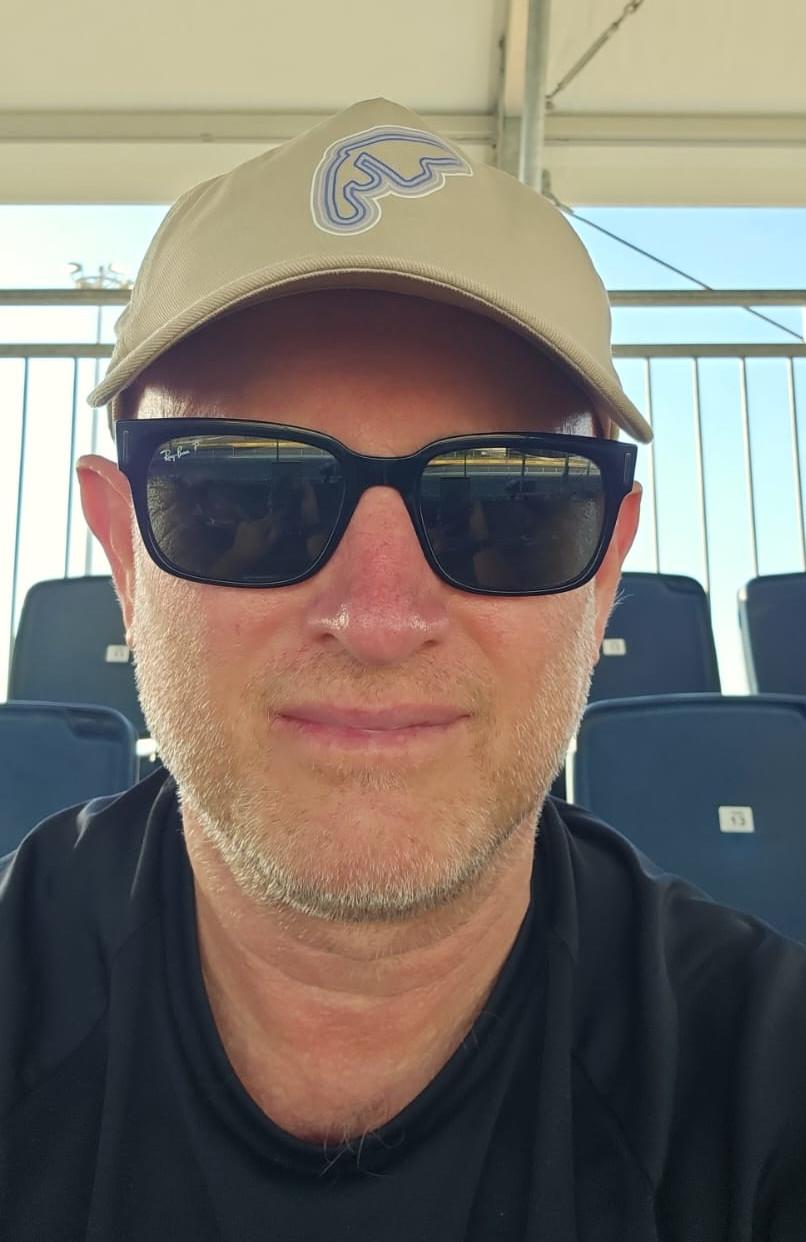
Wayne dos Santos Niz
Hi Wayne! Please give us a quick introduction to yourself and your photography.
I’m a Durban-based amateur photographer with a love for animals and nature in general. My photography journey started at the end of 2021 when I bought my daughter an X-T3 and a couple of lenses after she finished her Graphic Design degree so she could start doing real estate photography. She found a full-time job and therefore didn’t need the camera, so I started to potter around with it.
I joined the Photographic Society of South Africa (PSSA) and shortly after that the Westville Camera Club. Being amongst likeminded and passionate photographers inspired me, encouraged me to experiment and to do more. I started to enter photography competitions and by end of 2023 received Honours in Nature, Open and Mono from the PSSA, I was awarded AFIAP Honours from FIAP (The International Federation of Photographic Art) and received a FIAP Gold Medal in the 2023 New York International Salon.
I took a year off in 2024 due to work and travel commitments but I’m hoping to get behind the viewfinder a lot more in 2025.
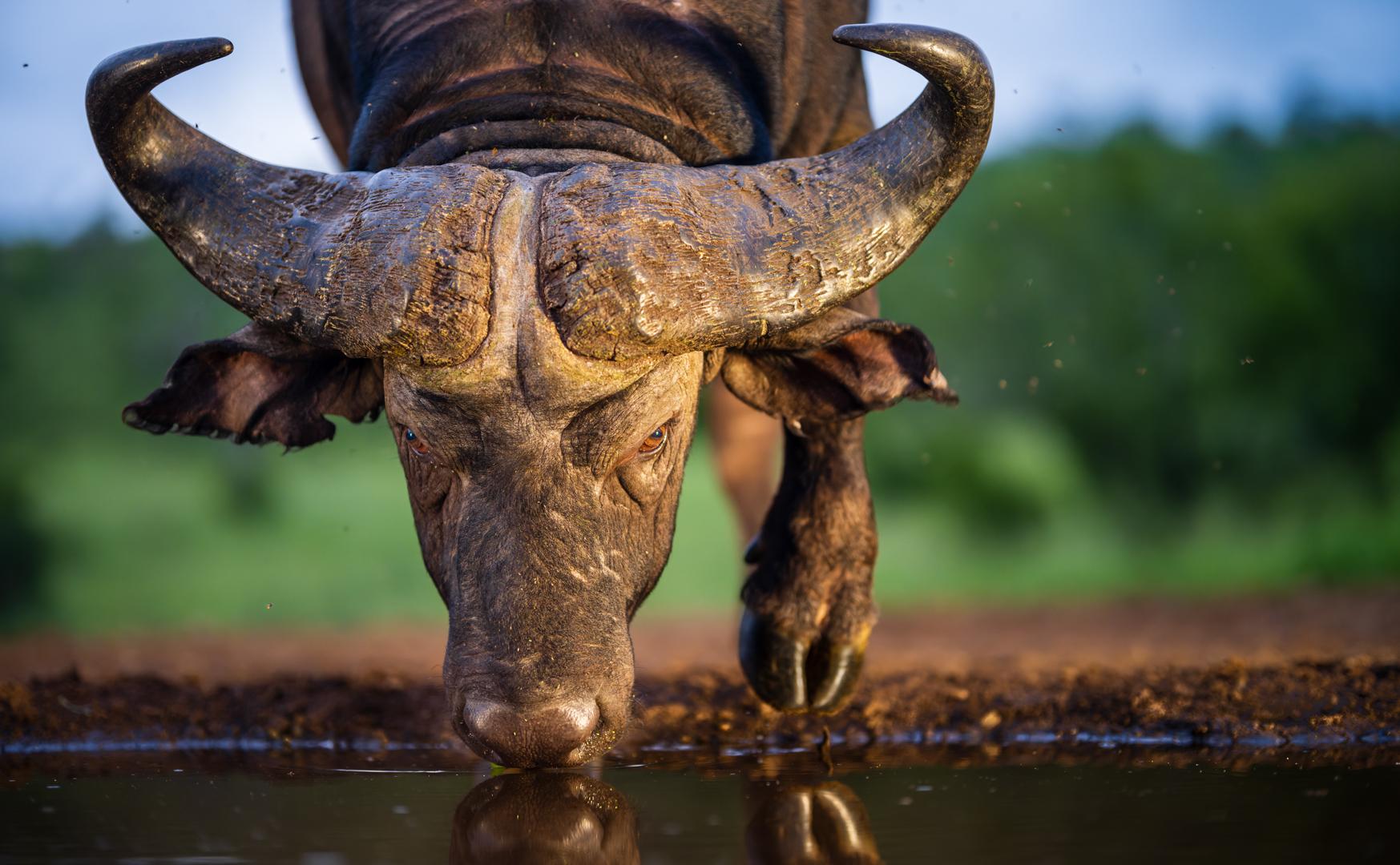
When did you realise that you fell in love with wildlife photography?
I witnessed a cormorant chick take its first flight and although I missed the shot it opened the idea of capturing magic moments.
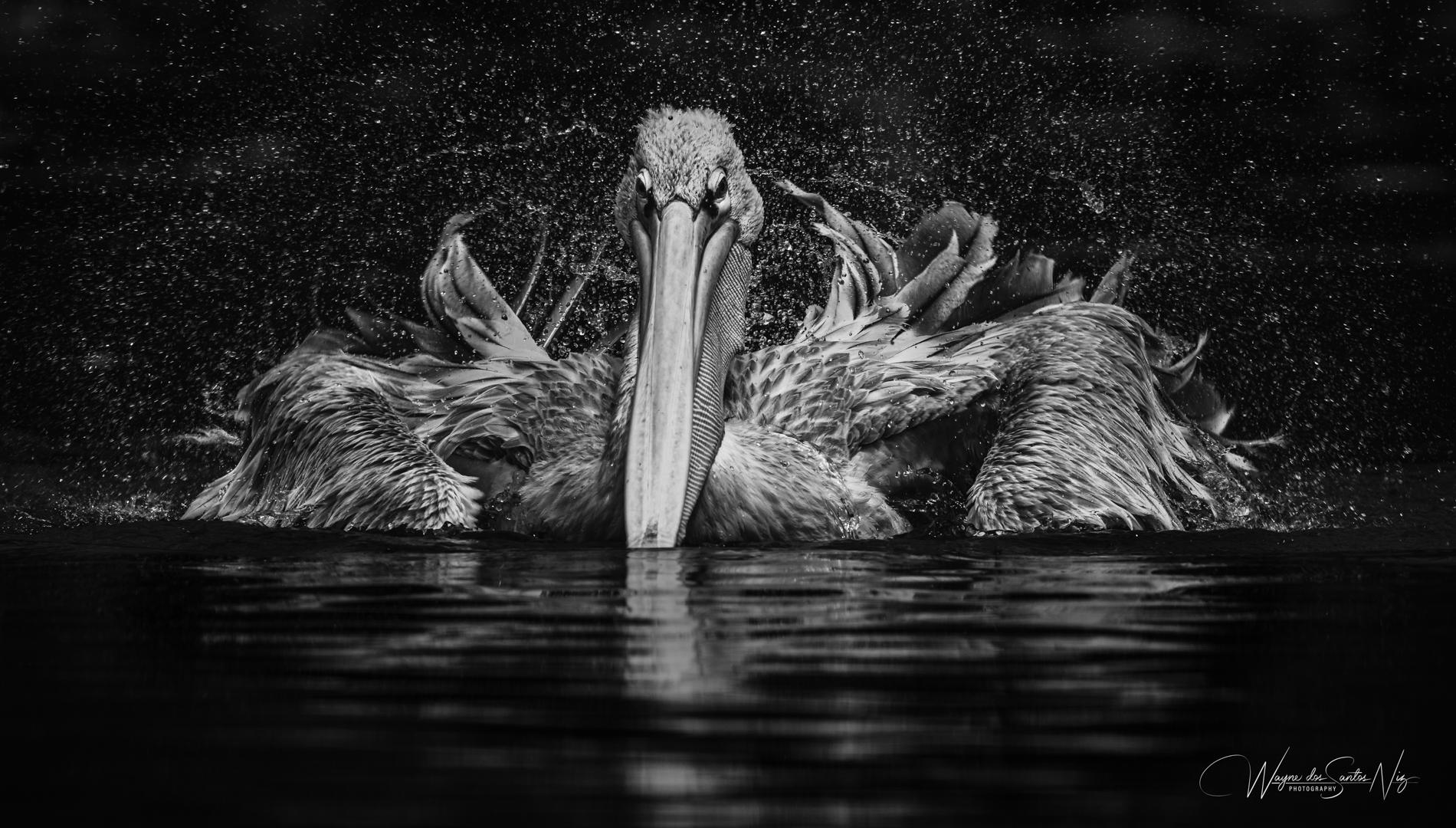
What do you believe makes for a standout wildlife photo?
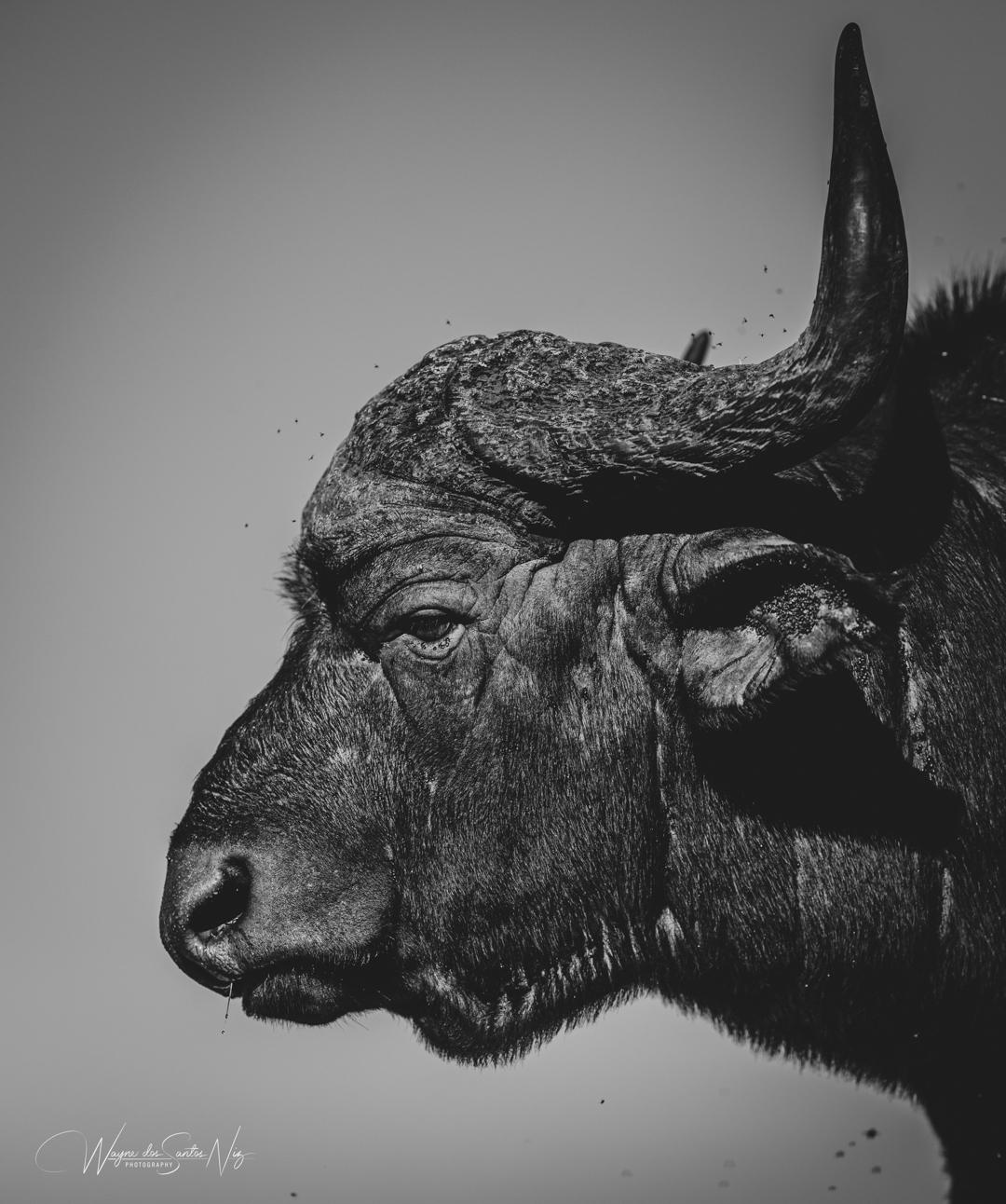
Composition and angle are important, the moment should be meaningful, and, if it’s a portrait, it should be free from distraction with a clean background.
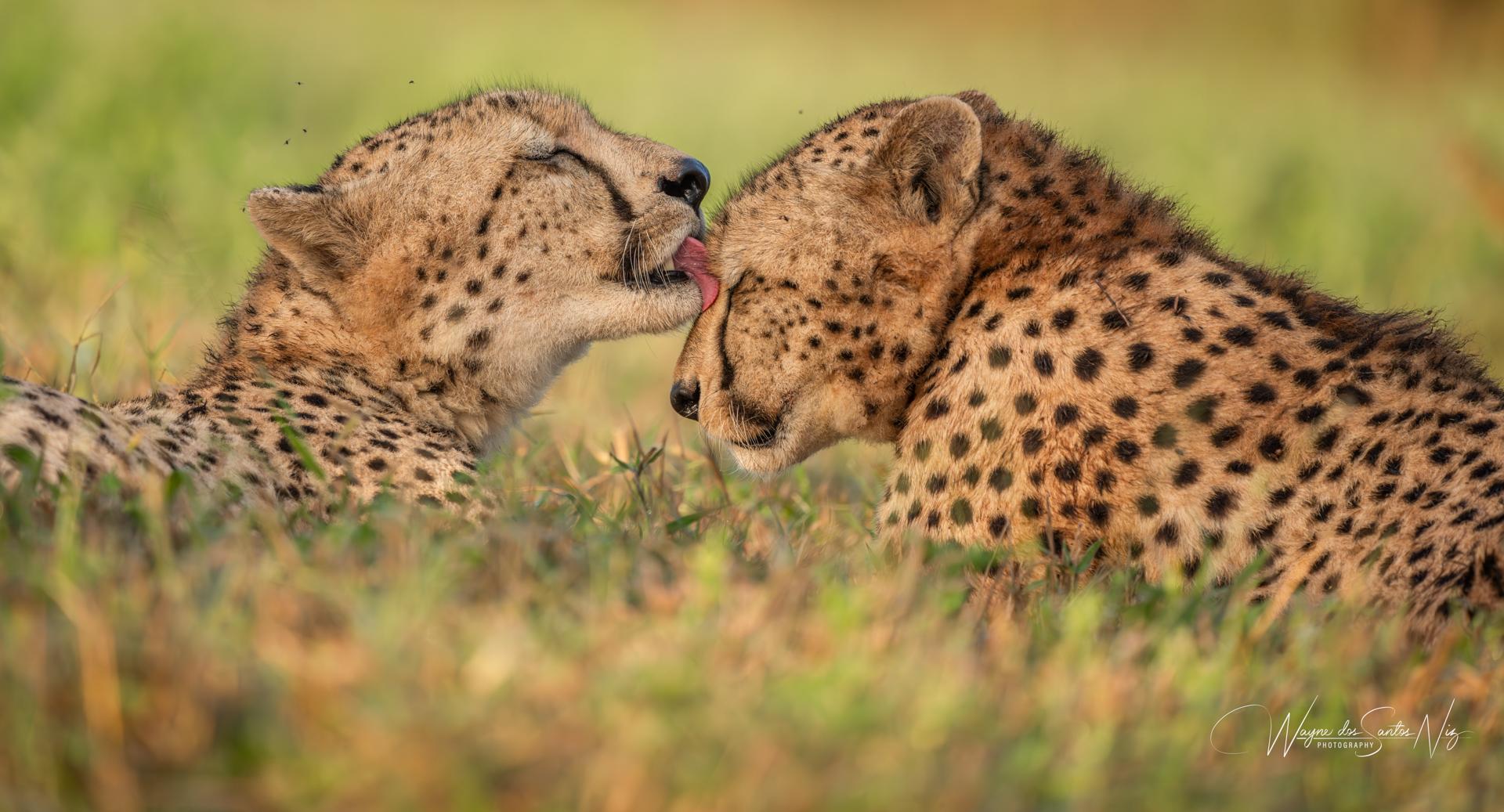
Is there a moment you didn’t capture that you still regret?
While in the Kruger Park I witnessed a lion take down a wildebeest, only about 15 m from my vehicle. I had a long lens on my camera so missed the opportunity. I learnt my lesson – always have two bodies with a long and a short lens mounted.
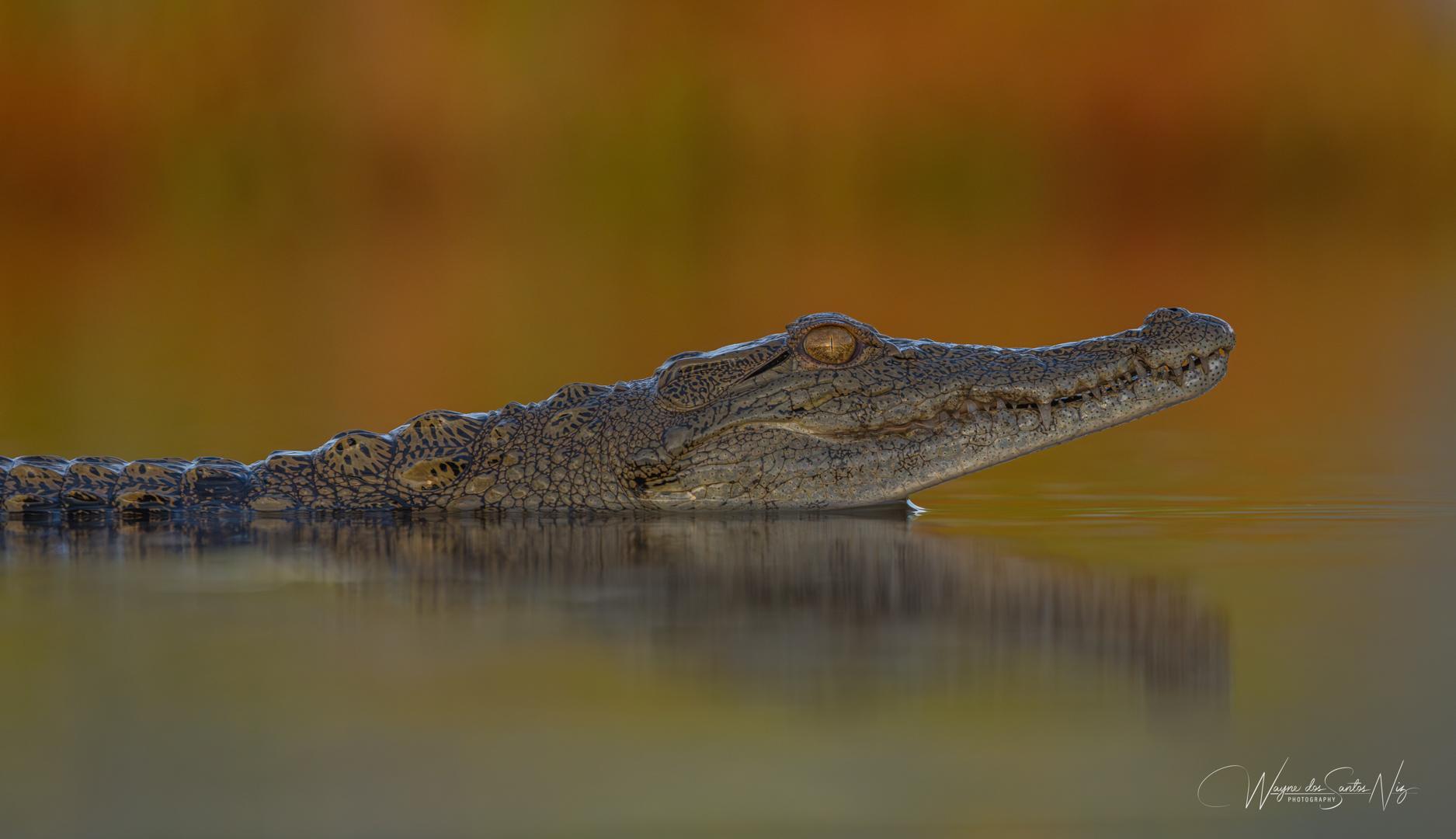
Why did you decide to use the GFX large format camera for your photography? What has the GFX100 II brought to the table?
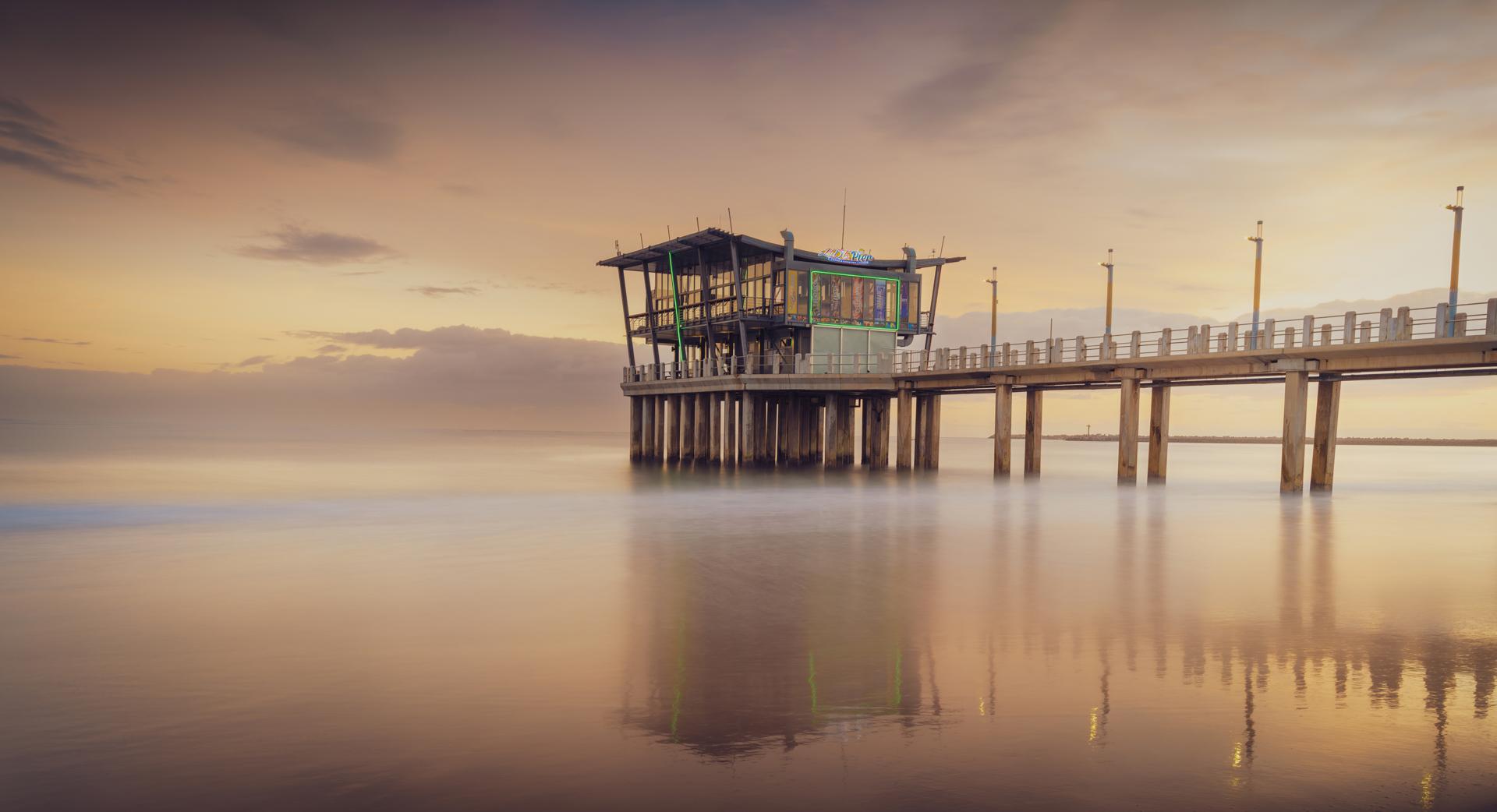
My entry to the GFX system was the GFX100S which I used for landscape photography. Its dynamic range and the detail that could be captured never ceased to amaze me. When the faster GFX100 II was launched, I pre-ordered it straight away as I knew that wildlife images captured with that sensor would be special. The dynamic range and the ability to crop while maintaining astonishing detail offer a massive advantage relative to class leading full-frame cameras.
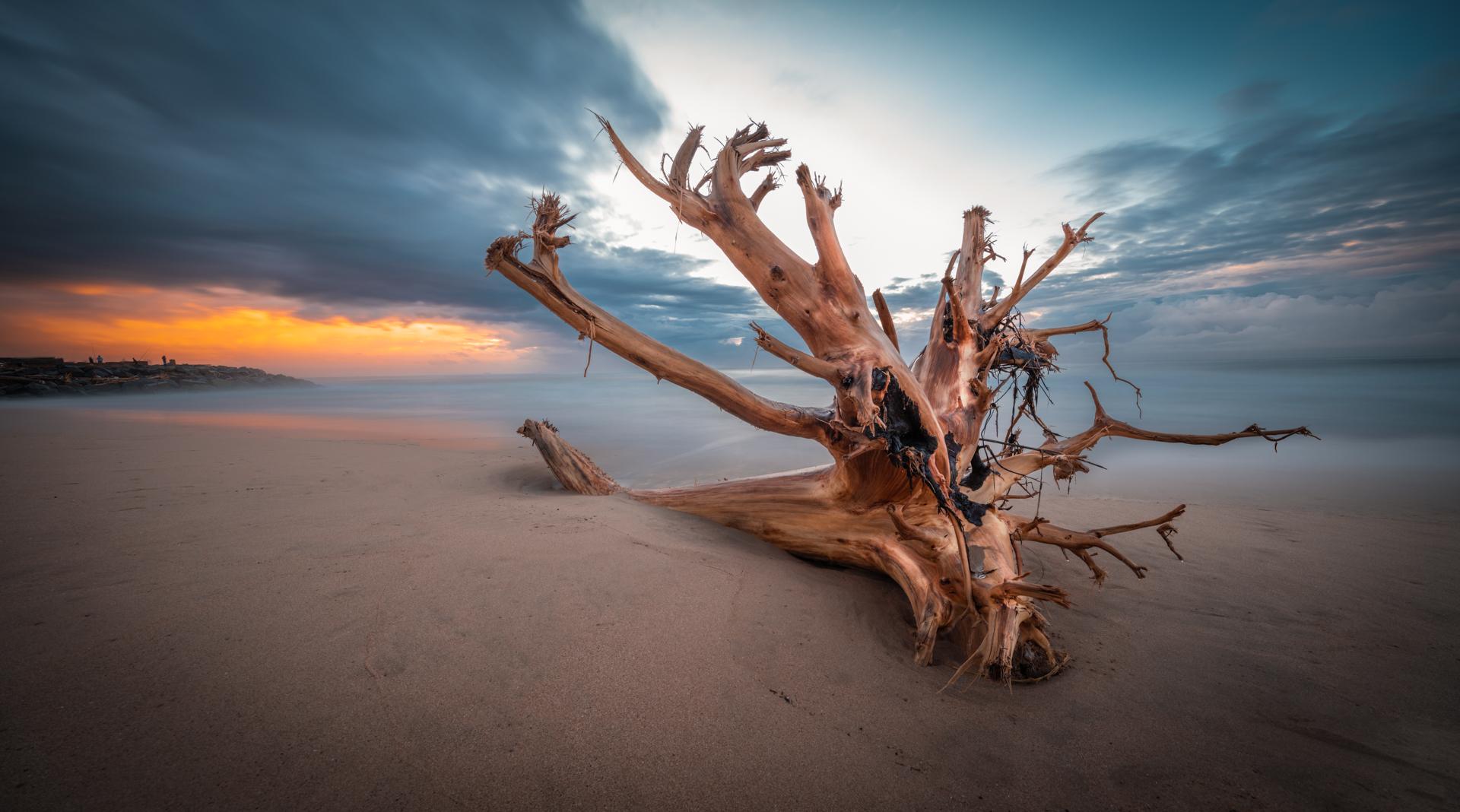
Apart from the GFX and the GF500mmF5.6 R, what else is in your camera bag that you cannot live without?
The GF20-35mmF4, the GF1.4X teleconverter, lots of batteries, CFexpress cards to maintain the buffer, a set of ND filters and a travel tripod.
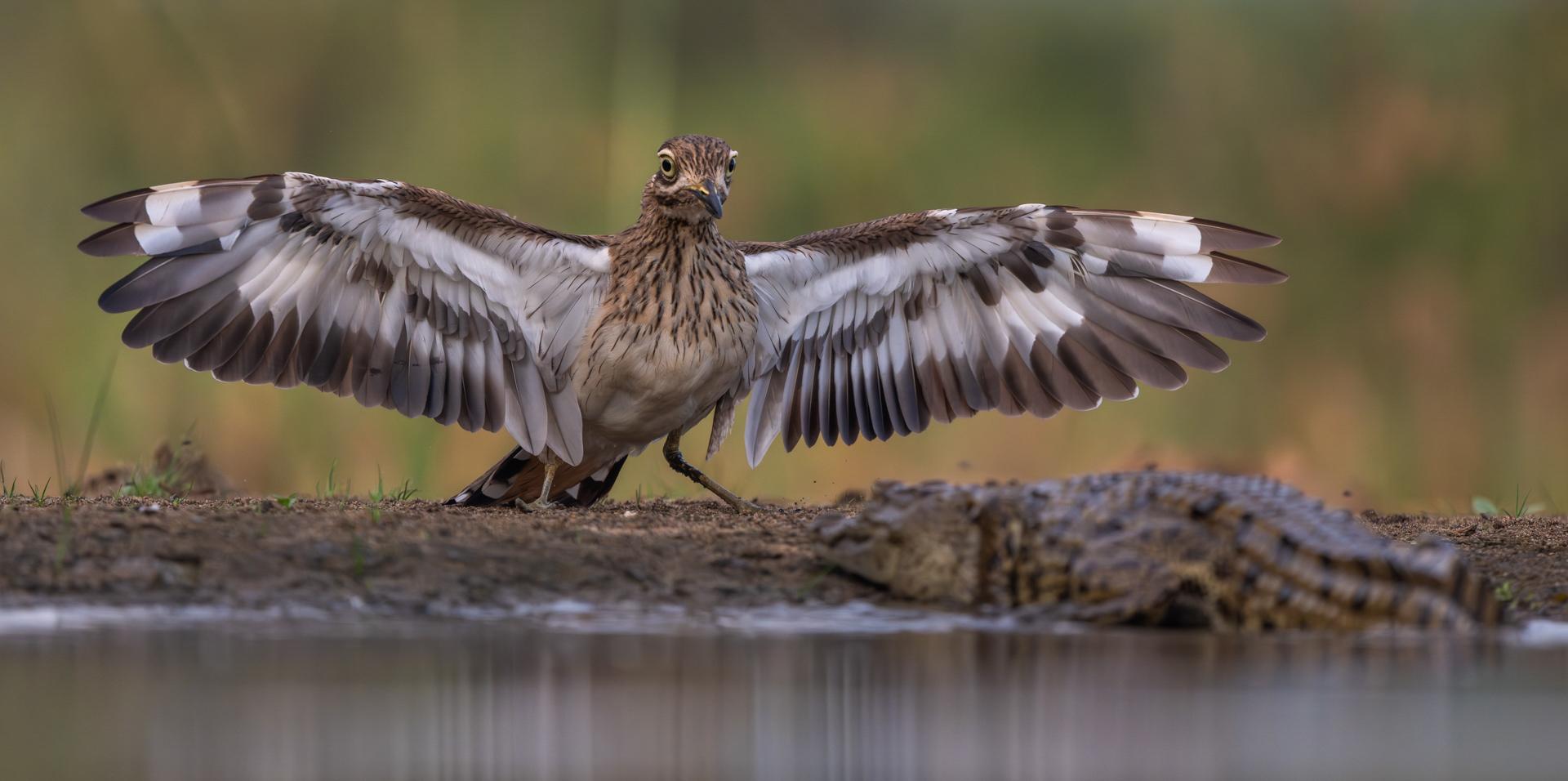
Is there anything you know now that you wish you knew earlier?
Photography is a journey, not a destination.
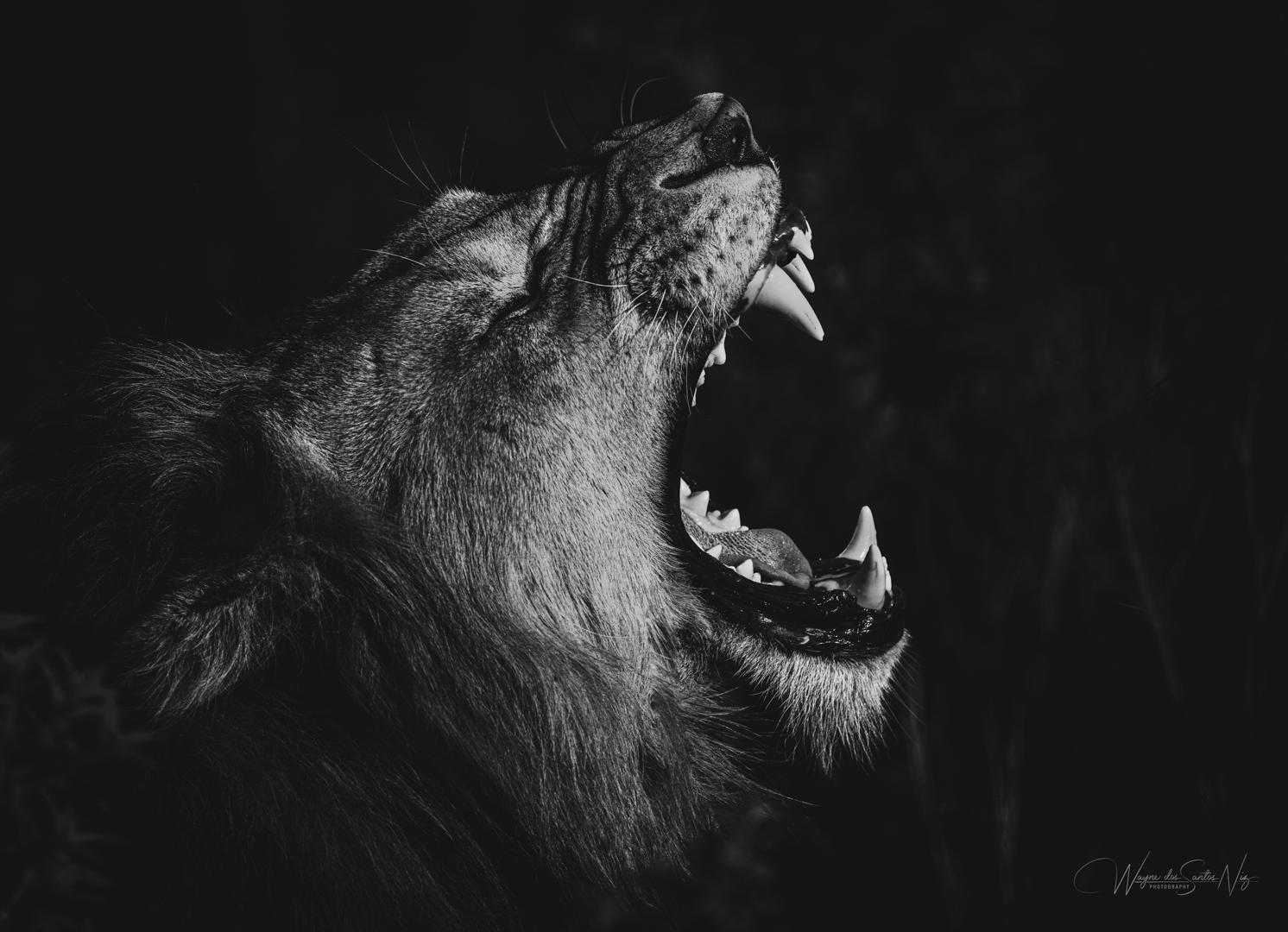
What’s on your photography bucket list?
Definitely the black sand beaches of Iceland and photographing the magnificent birds in Costa Rica.
Do you have advice for photographers that want to take better wildlife images?
Consider the background and distractions when composing your shot and shoot from a low angle. Noise reduction software is very effective nowadays so rather shoot with a faster shutter speed and jack up the ISO, since motion blur can’t be fixed. Be patient, magic rarely happens quickly.
Also, join the PSSA (or your local photography club) and be inspired by some of the best wildlife photographers in the world since South Africa has some awesome talent.
Find more of Wayne on Instagram.