TAKE TEN: Brendon Koeberg

Joburg-based Brendon Koeberg has taken self-critique and turned it into photographic gold. We chatted to him about his portraiture, the selection of models and the path to business success.
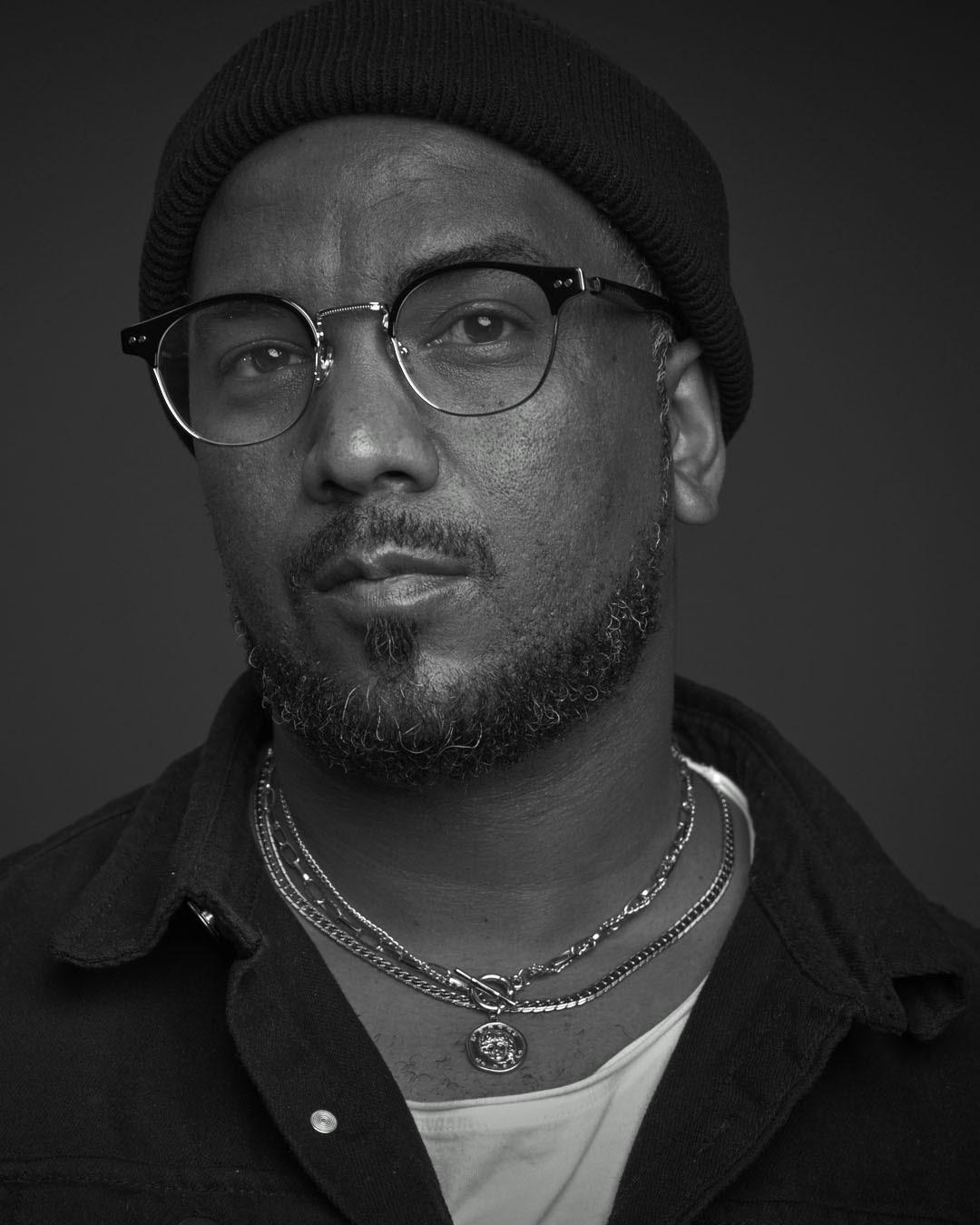
Brendon Koeberg
Yes Brendon! Give us a quick intro to yourself and your photography.
Hi, my name’s Brendon Koeberg. My journey as a lifestyle portrait and events photographer is a testament to the power of passion and dedication. Starting in church, my love for the camera clearly took root and flourished, leading me to an impressive career spanning over eight years.
It’s commendable that I consistently engage in self-critique and reflection, looking back at my work from two or three years prior. This practice of comparing past images to my present work is an invaluable tool for growth. It allows me to objectively assess myself.
* What I did right: Identifying successful techniques, compositions, lighting, and storytelling elements that I can continue to refine and incorporate.
* What I did wrong: Recognising areas for improvement, whether it’s in technical execution, posing, editing, or understanding client needs.
This iterative process of self-evaluation is what fuels artistic development. By consistently analysing my photographic journey, I not only tracked my progress but actively shaping my evolution as a creative. It’s a powerful way to ensure that each year brings new levels of skill, artistry, and a deeper understanding of my craft.
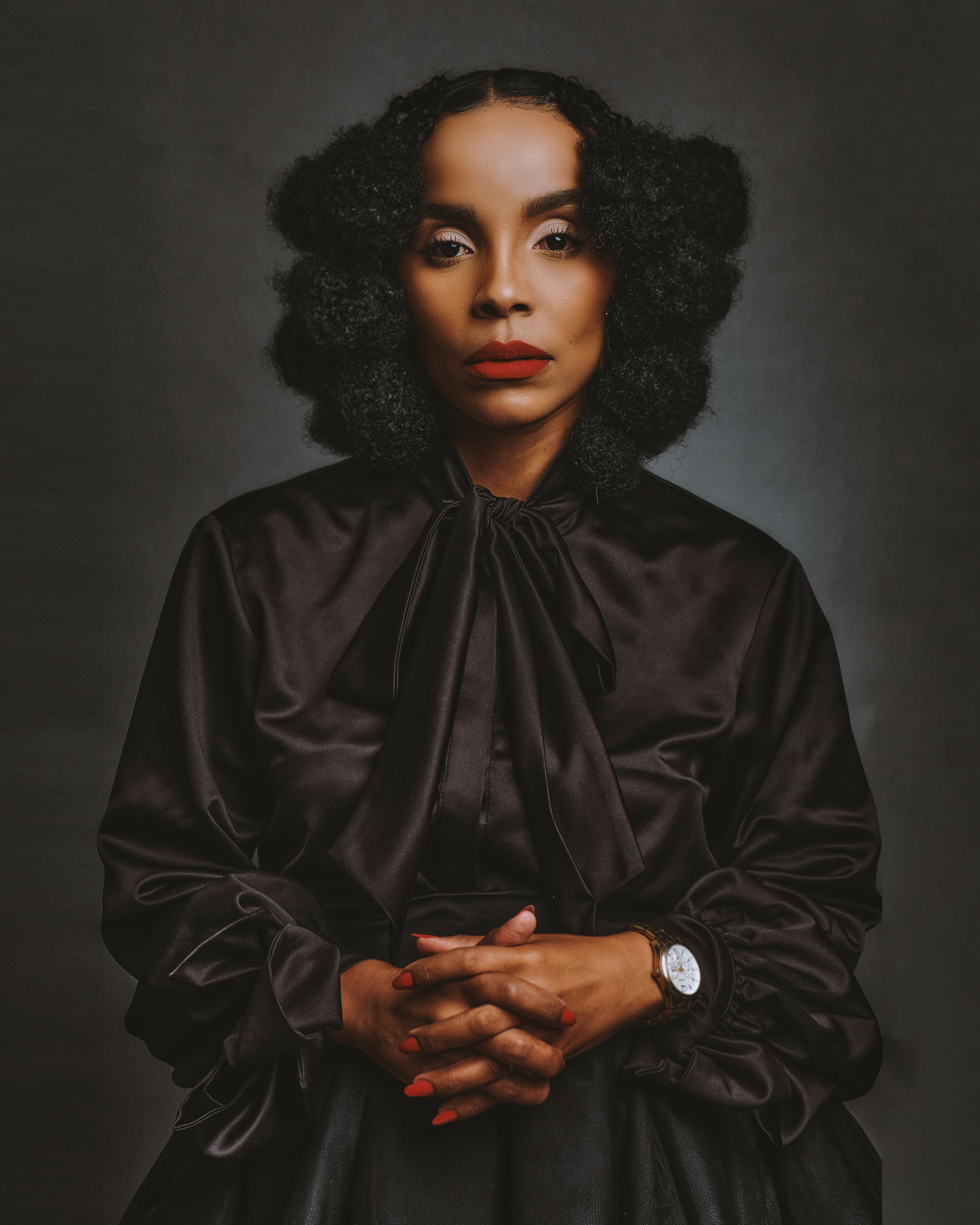
What do you believe makes a portrait special?
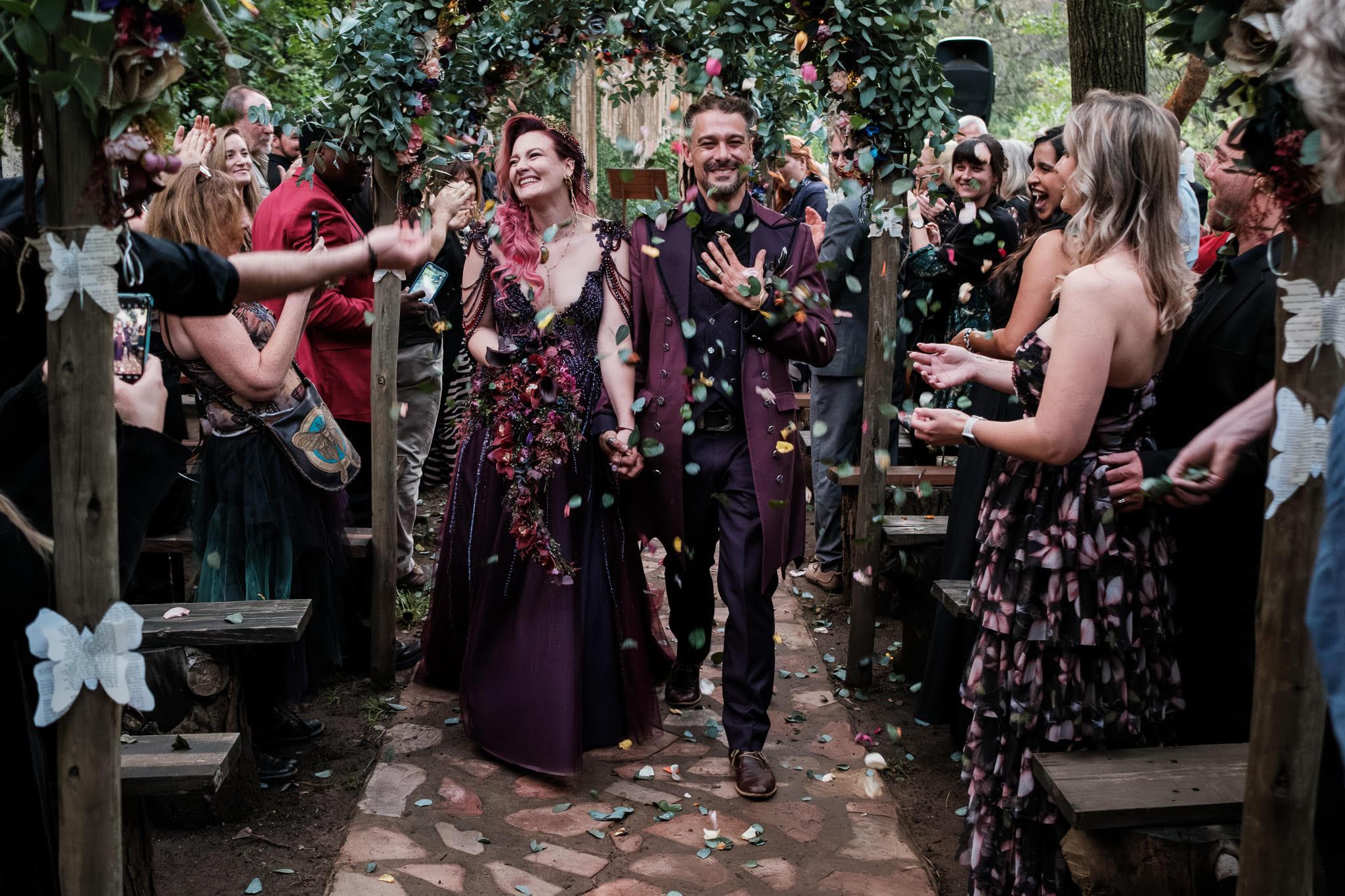
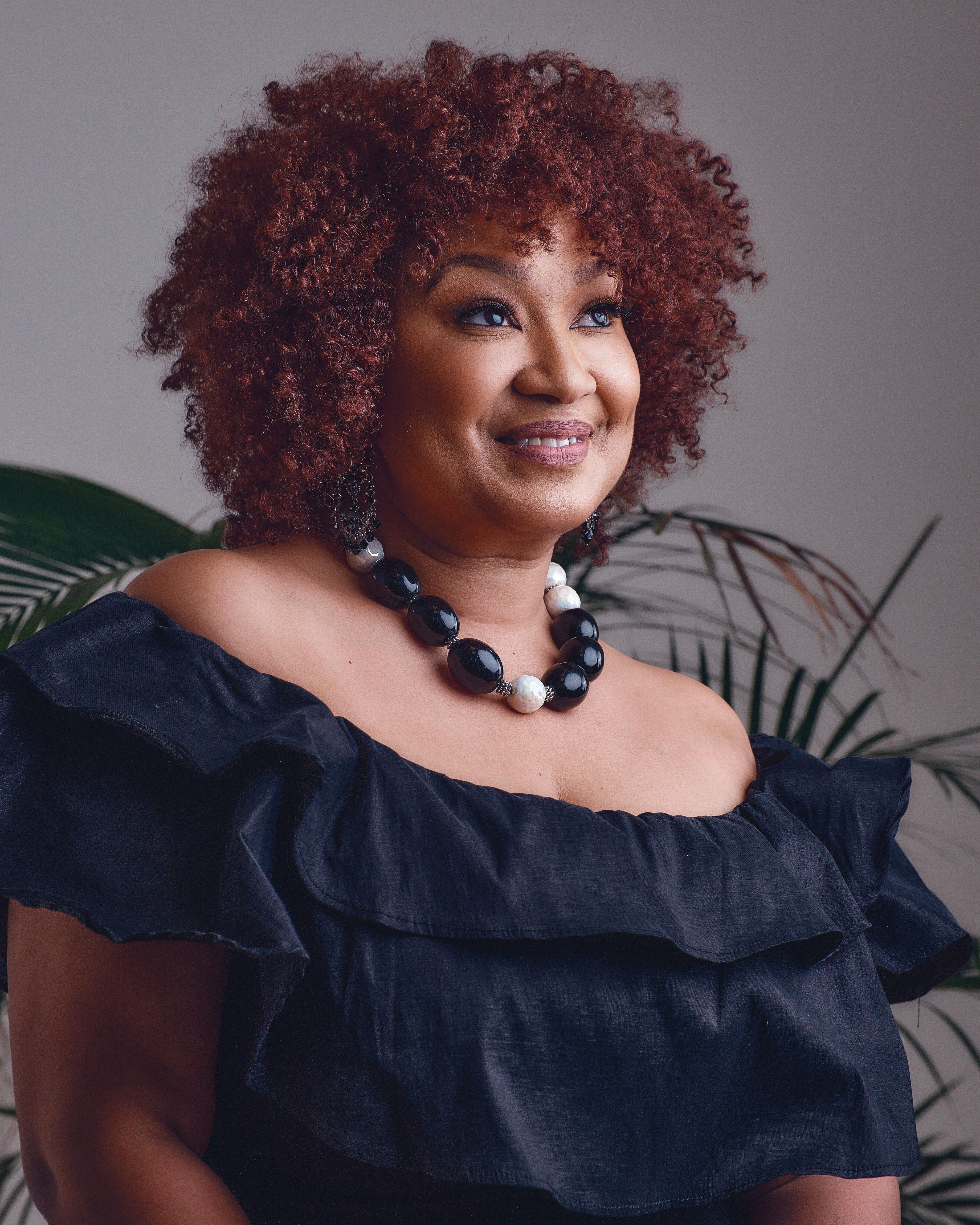
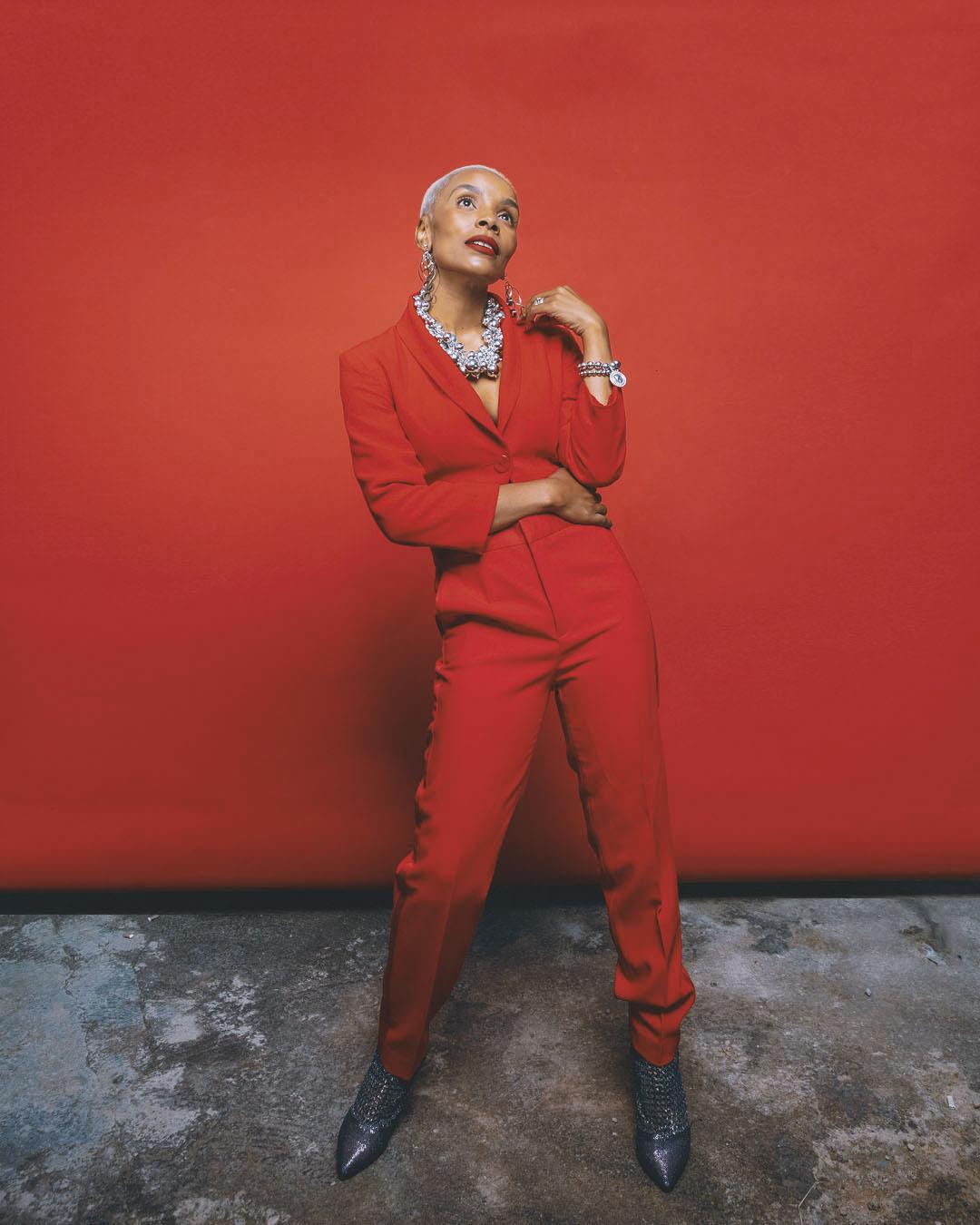
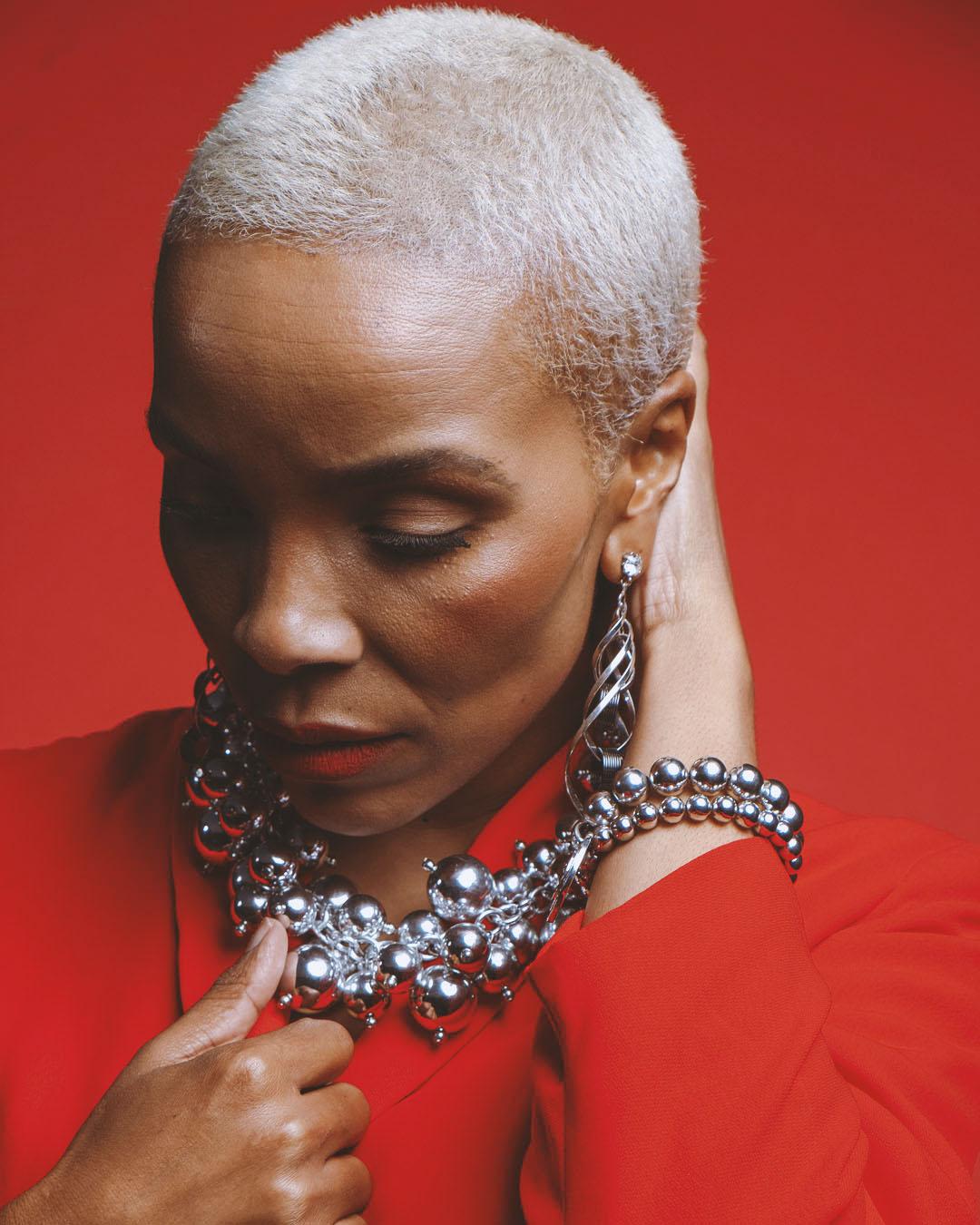
For me a good portrait goes beyond just capturing a likeness – it reveals something about the subject’s personality, evokes emotion, and is visually compelling
The best portraits often capture genuine expressions and moments. Making the subject feel comfortable and building rapport is crucial to achieving this.
It also involves storytelling, since a good portrait tells a story about the person, hinting at their inner life, interests, or current mood.
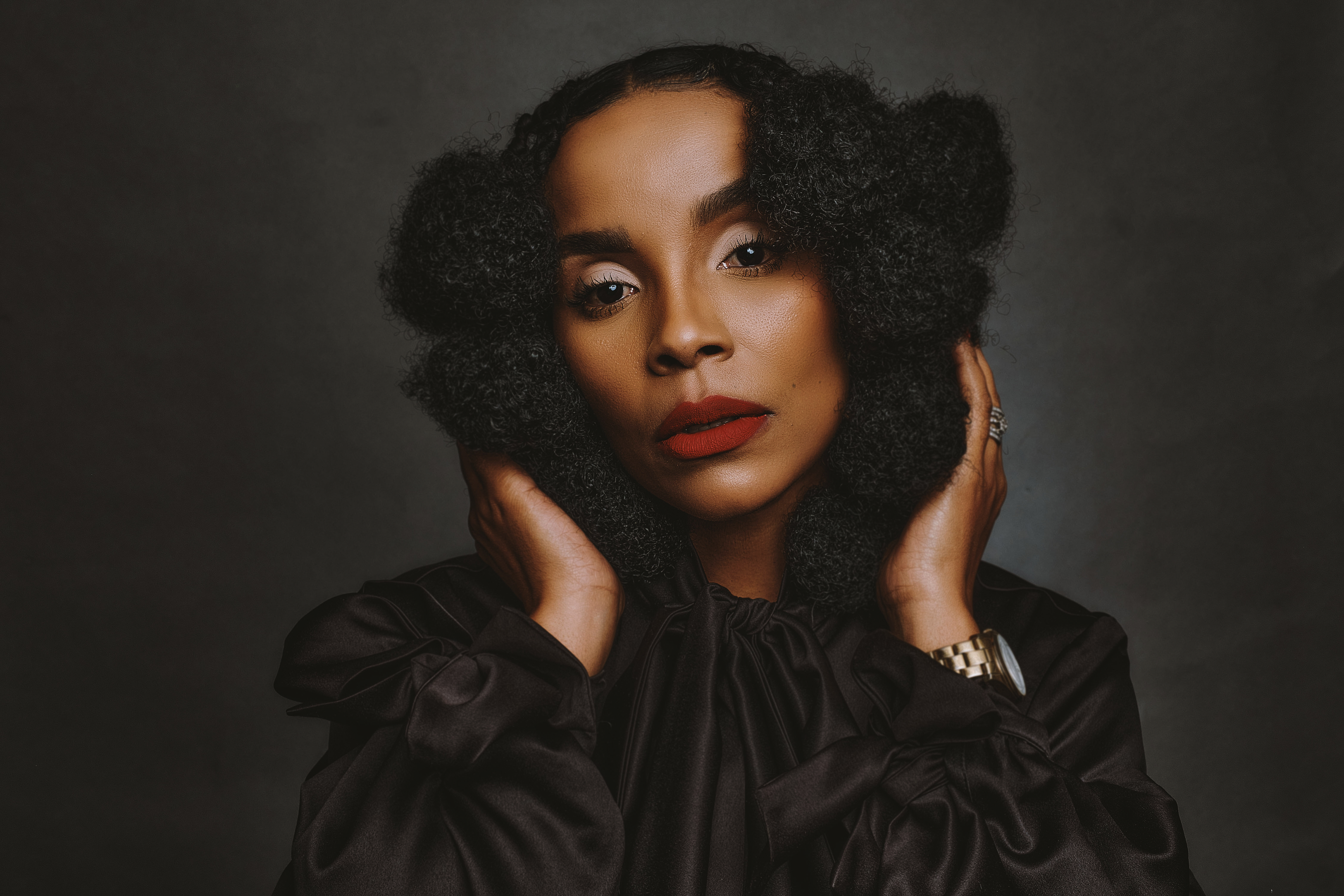
On your Instagram, a few models keep repeating. In your mind, what’s the photographic attraction you have towards a model? Is there something that makes her/him stand out from others?
When I shoot repeatedly with certain models, it’s usually because those individuals possess a combination of qualities that consistently translate into compelling images. Secondly, the lady I shoot with the most is my beautiful wife. She is my model when I need to create new lighting techniques or bring something in my mind to light.
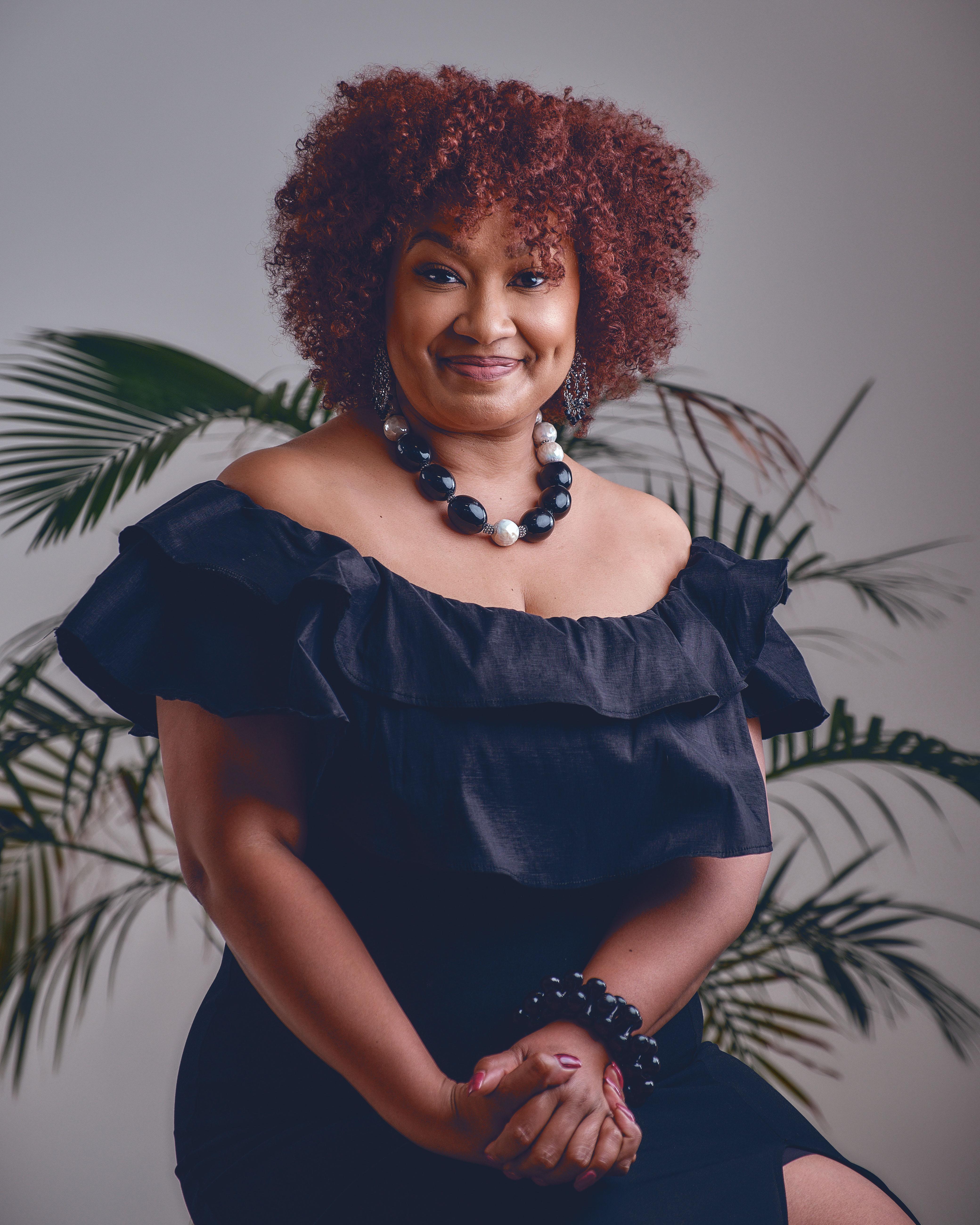
What Fujifilm camera do you shoot with, and which is your favourite lens?
I shoot with an X-T3, and while the XF18-55mmF2.8-4 kit lens used to be my favourite, I sold it to get the XF16-55mmF2.8. I absolutely love the new lens – its clarity, sharpness, and everything about it are just amazing! It has to be my most favourite lens for portraits.
Like many photographers, you run your own company. What’s the best business decision you’ve made so far?
While investing in top-tier equipment, continuous education, or robust marketing was vital for my business. Deciding to specialise often provides the strategic foundation that makes all those other investments more impactful and profitable. It allows a photographer to move beyond being a generalist to becoming a sought-after authority in my chosen field.
In terms of your photography, what is the one thing you’ve learnt, changed, or added that made a big difference?
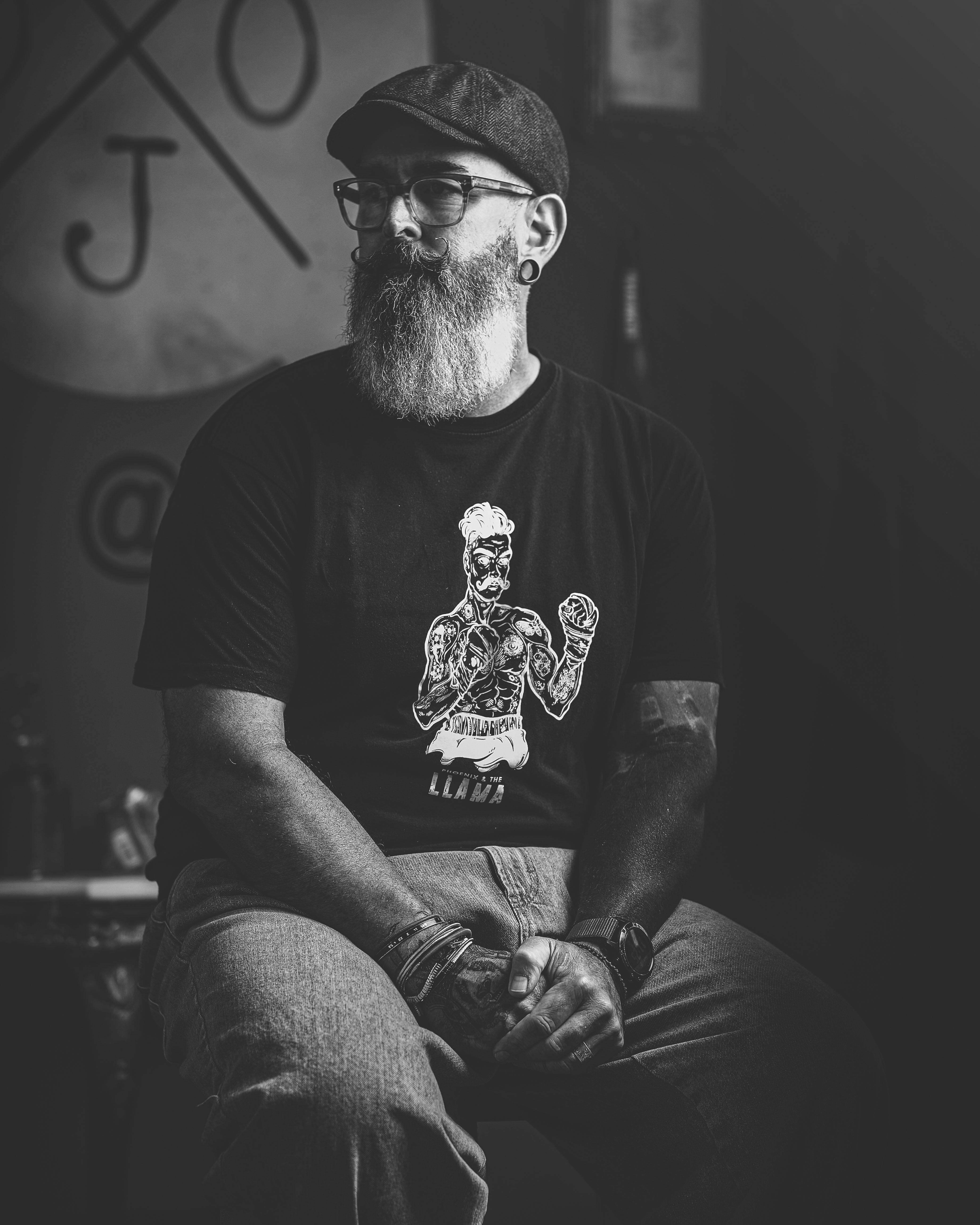
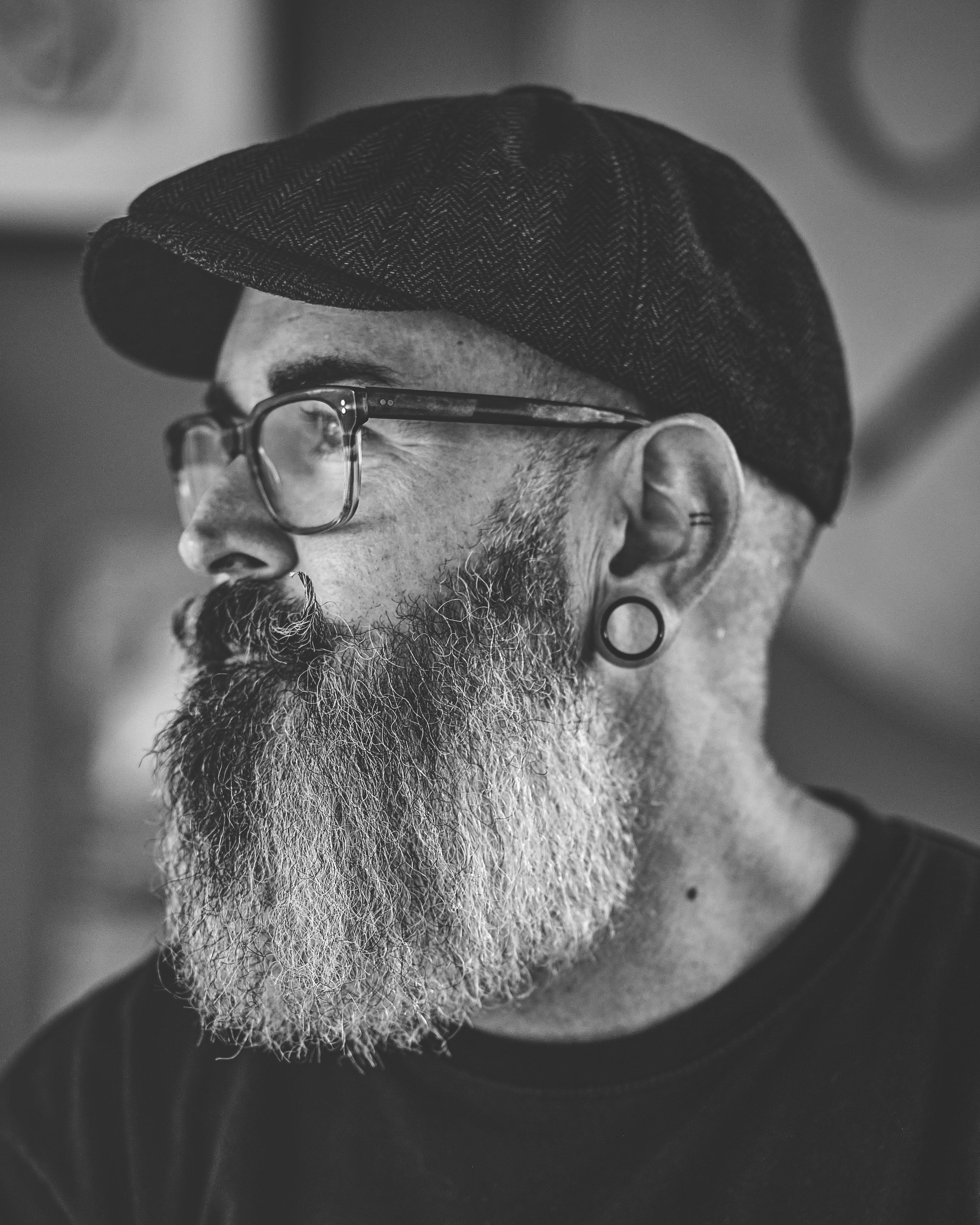
Learning to truly see and understand light, and then actively shaping my shots around it, rather than just reacting to it. Before this, a photographer might just point the camera and shoot. After this realisation, every decision – from subject placement to lens choice, time of day, and even post-processing – becomes deeply informed by how light interacts with the scene.
We’ve heard from many photographers that they now have to provide video as part of their services. Do you find that the market has changed, and is videography playing a stronger role in your setup?
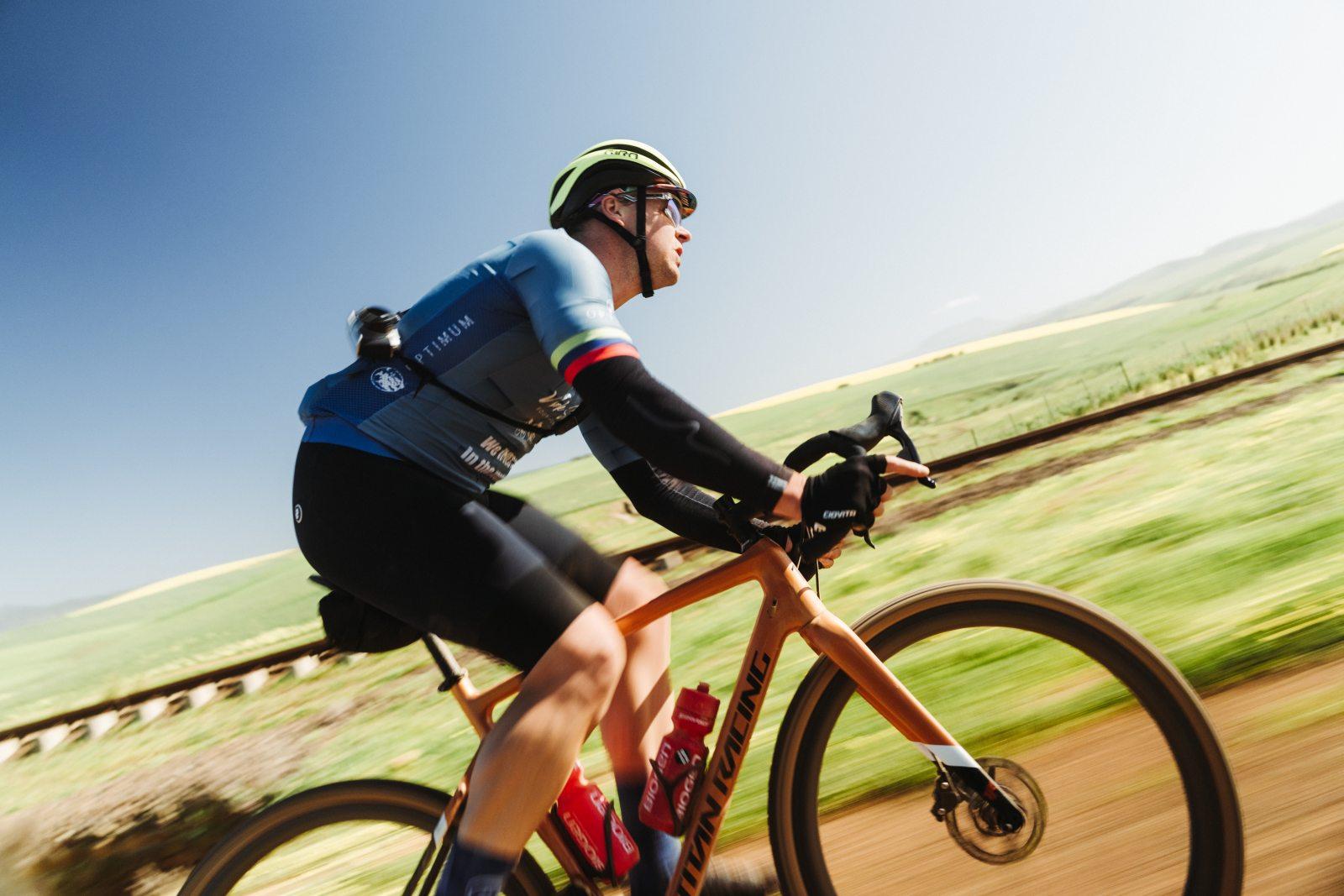
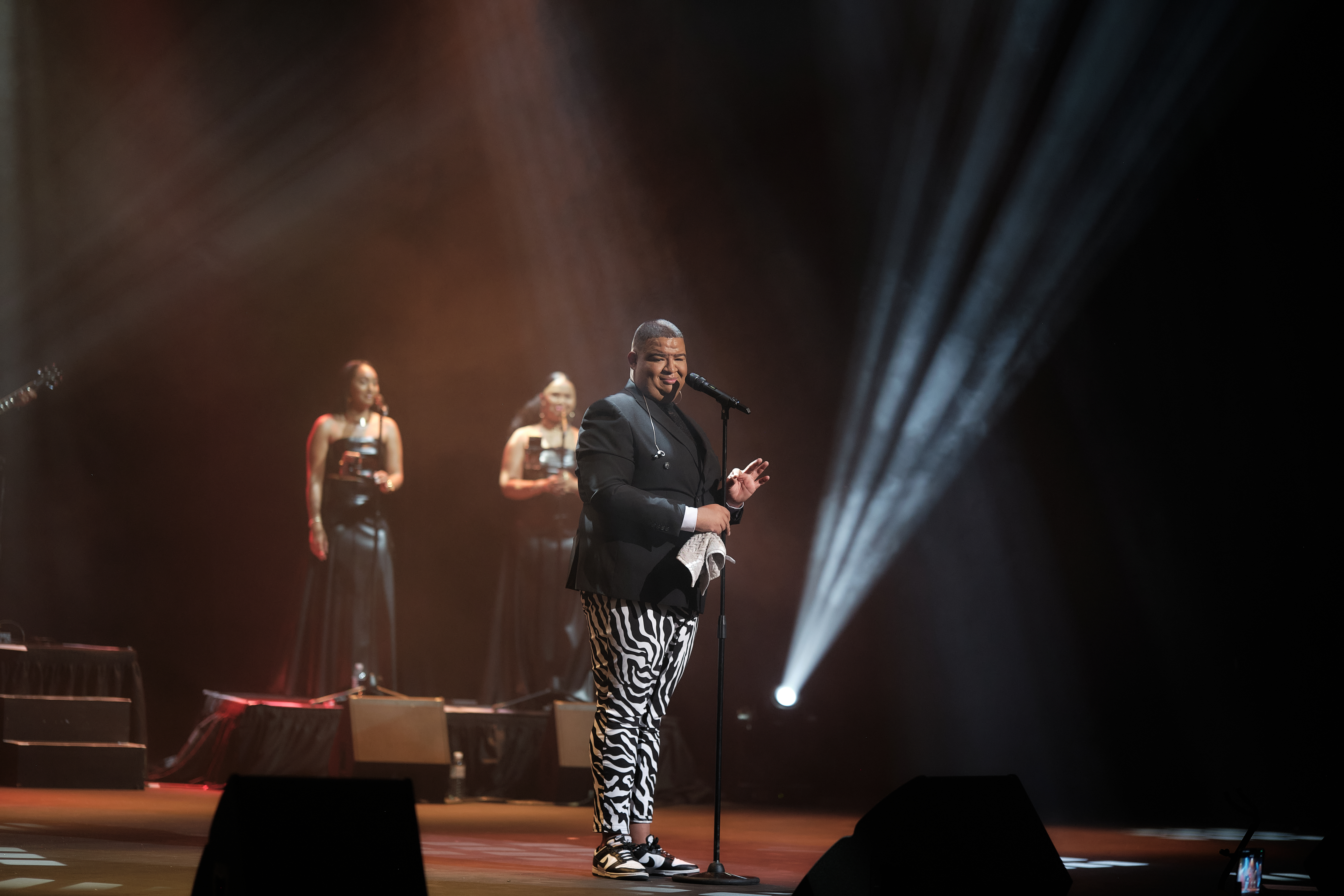
Yes, the market has absolutely changed, and videography is playing an increasingly stronger role for visual content creators. This is due to the dominance of video content with social media platforms heavily prioritising video content. So yes, it does play a big role in my setup.
Any person in any time of history – who would you like to capture?
I wouldn’t pick a king, a general, or a famous artist known for grand pronouncements. Instead, I’d choose to capture a completely ordinary, anonymous person at a pivotal, unscripted moment in their daily life.
Why an ordinary person? The true power of photography, for me, lies in revealing the universal human experience within the seemingly mundane. A famous figure comes with layers of public perception and historical context that are hard to strip away. An ordinary person, however, offers a raw, unfiltered window into genuine human emotion.
Anything you would like to add that has not been covered?
Master the fundamentals and obsess over light. Before you chase the latest gear or complex editing techniques, truly understand the exposure triangle (aperture, shutter speed, ISO), composition rules (and when to break them), and most importantly, how light works.
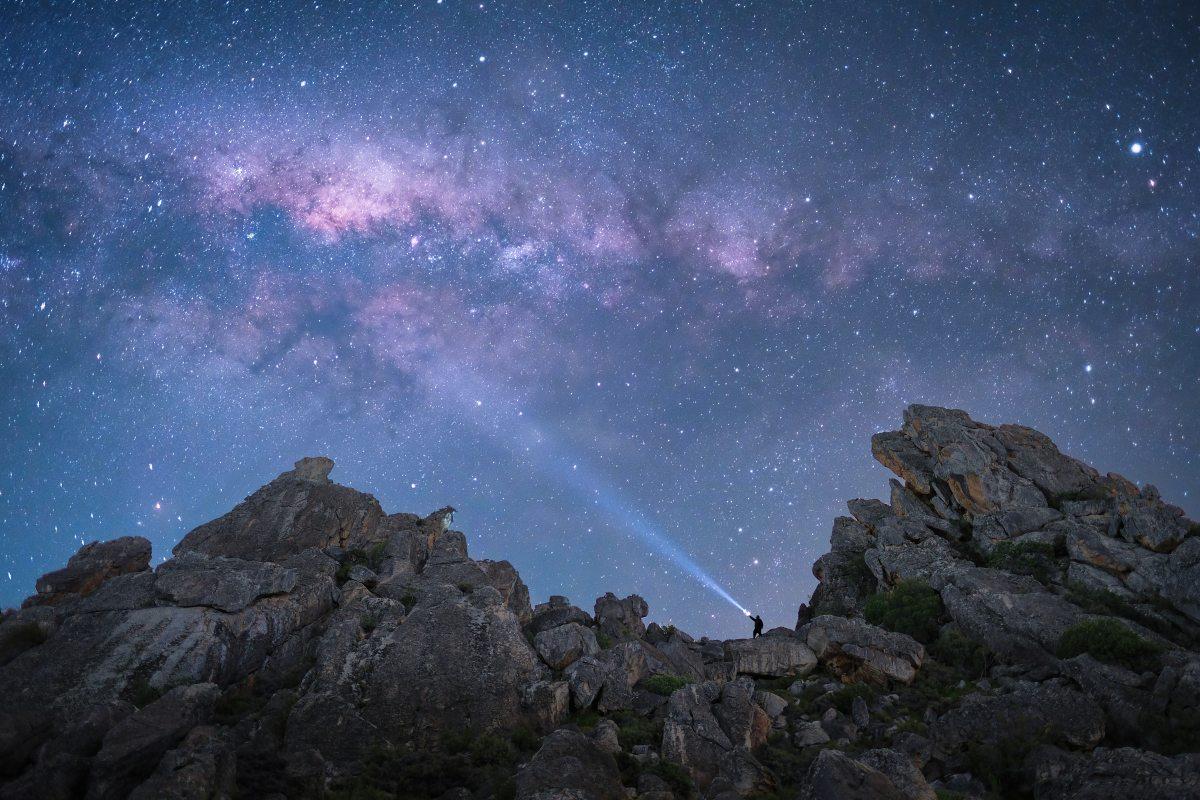
Light is the painter’s brush; learn to see it, anticipate it, and shape it. Spend time observing how light changes throughout the day, how it falls on different textures, and how it can completely transform a scene. This is the single biggest game-changer.

Find more of Brendon’s work here:
Instagram: https://www.instagram.com/bkphotographyss
Facebook: https://www.facebook.com/share/16StJvWwyF/