Lee-Ann Olwage: Shooting the State Ballet of Georgia with the Fujifilm GFX100RF

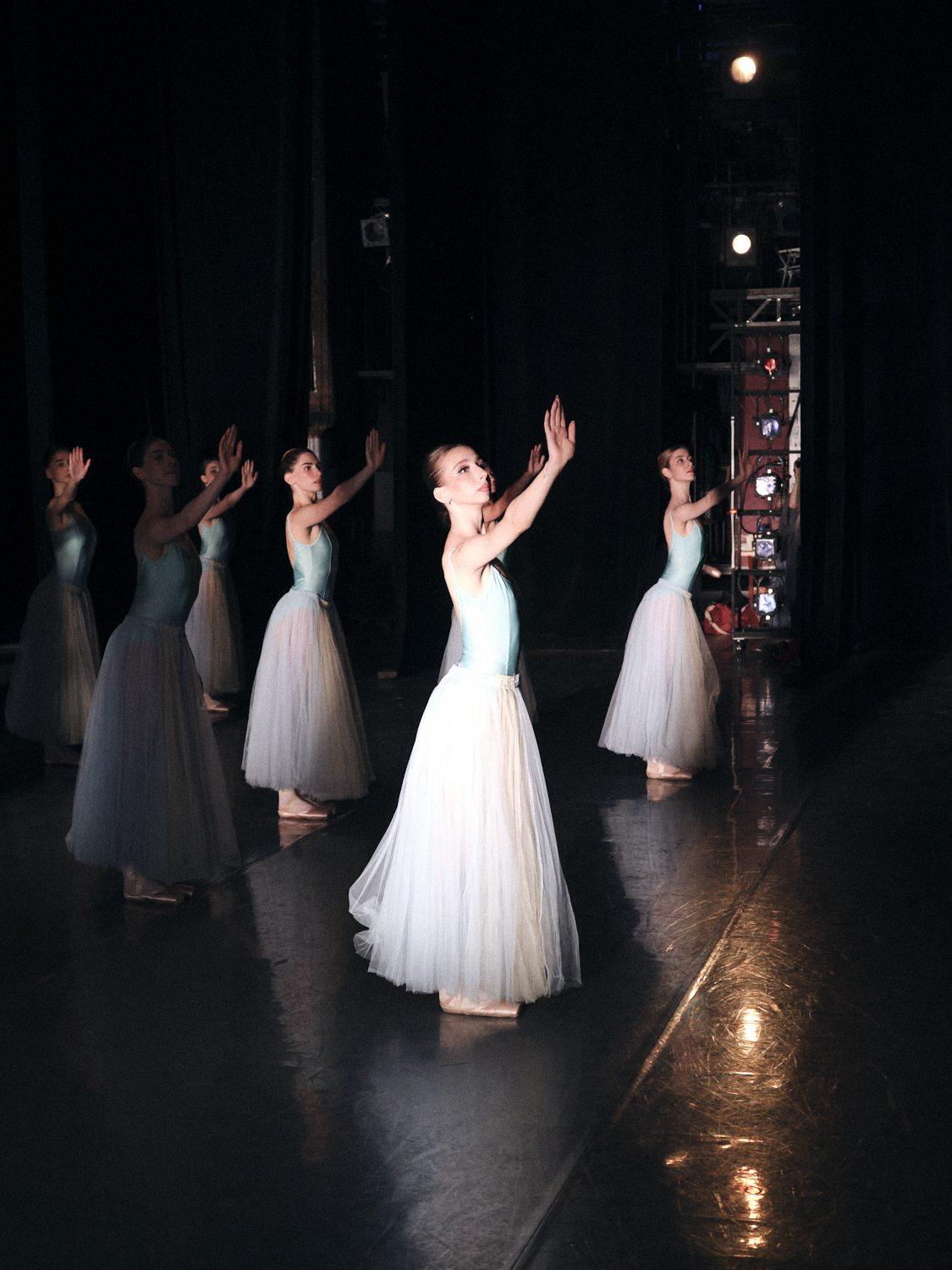
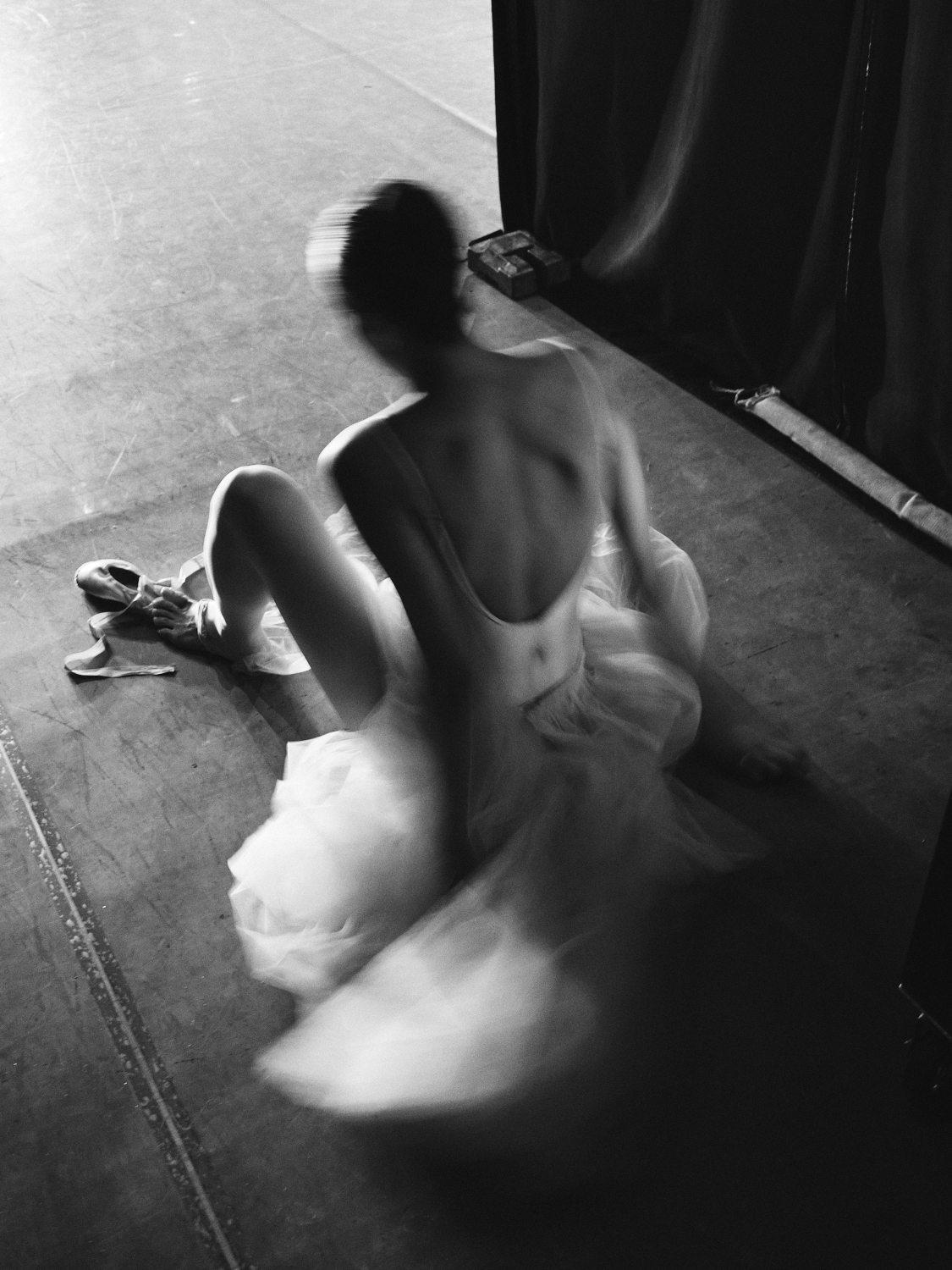
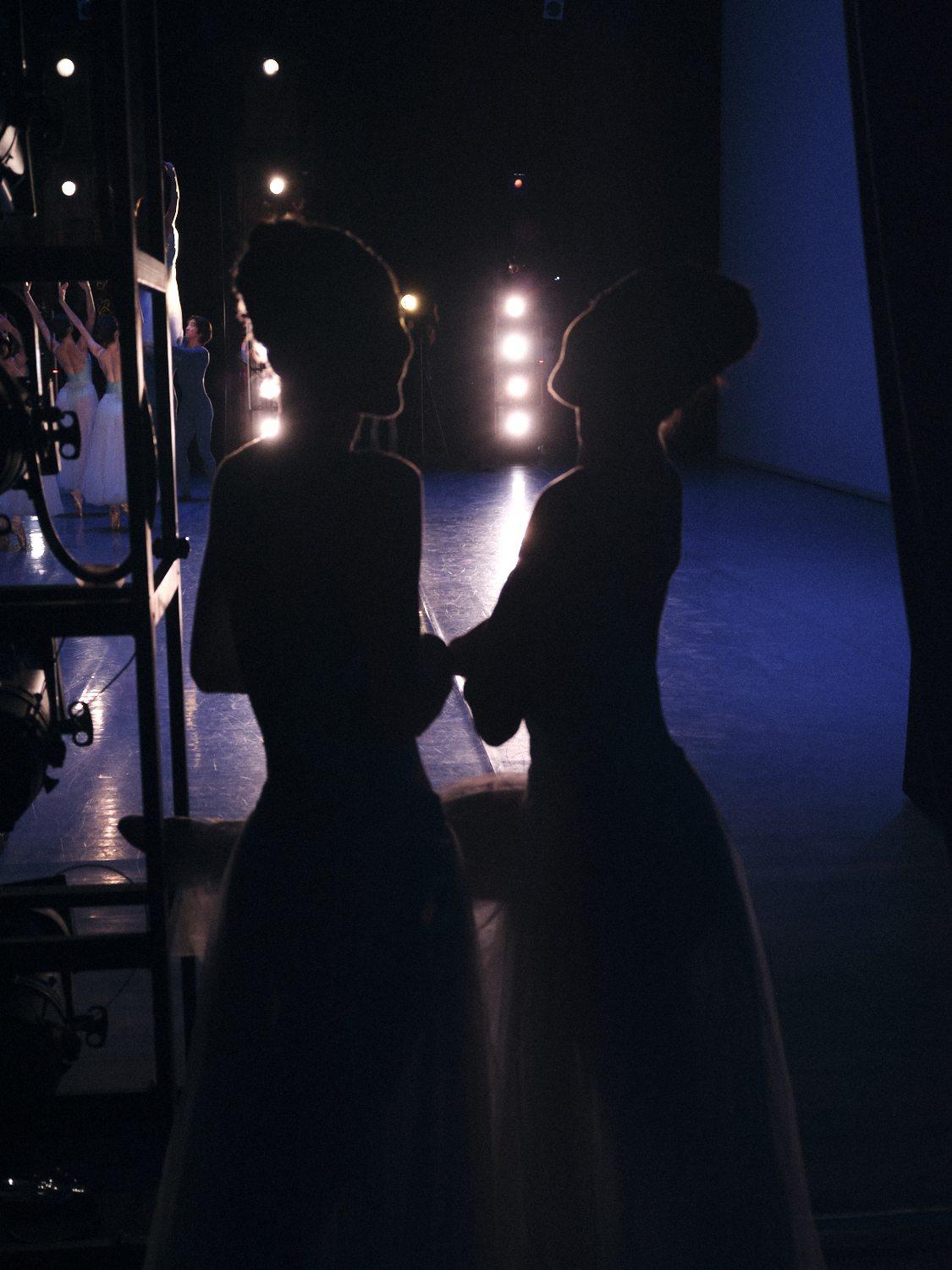
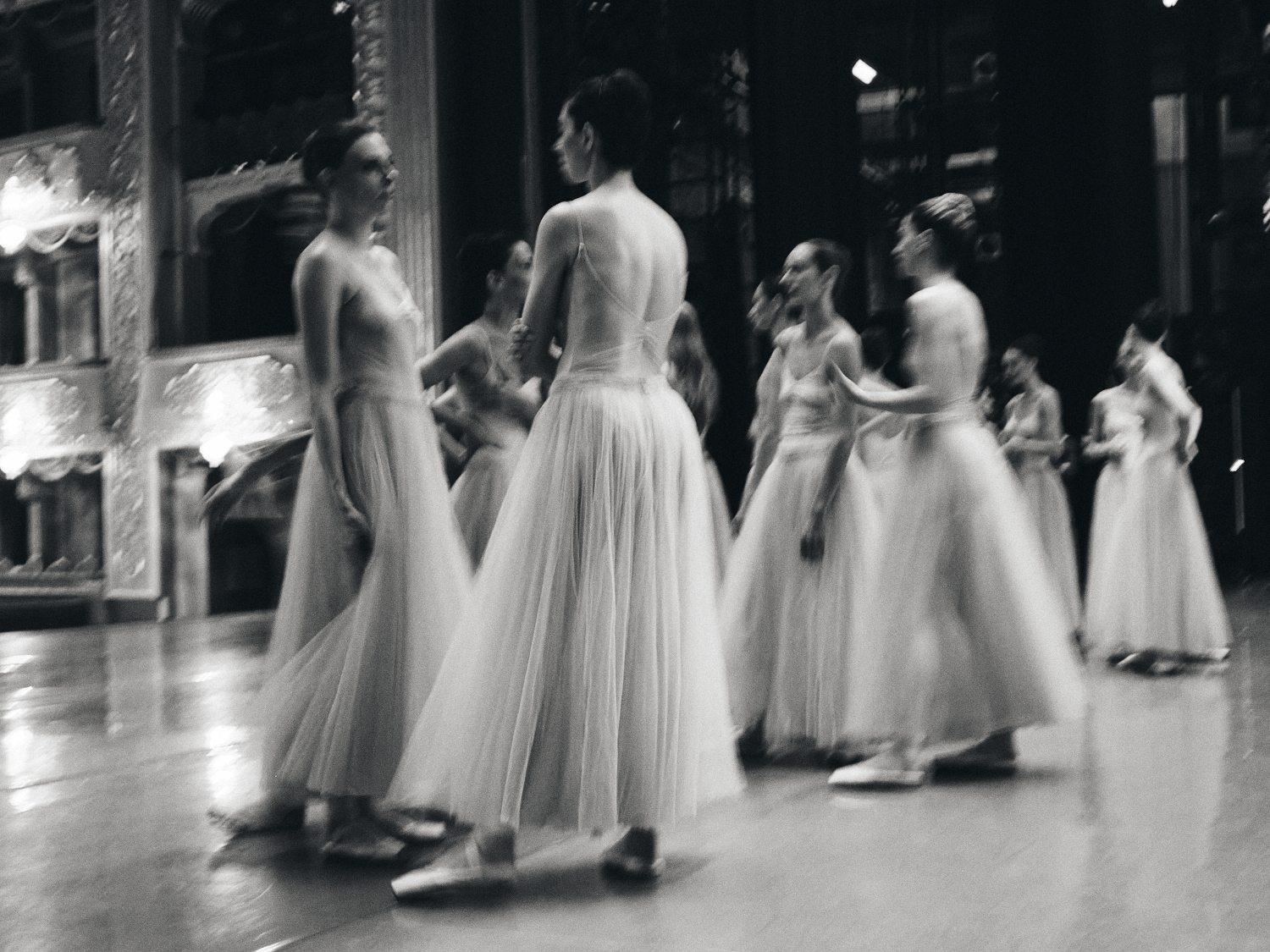
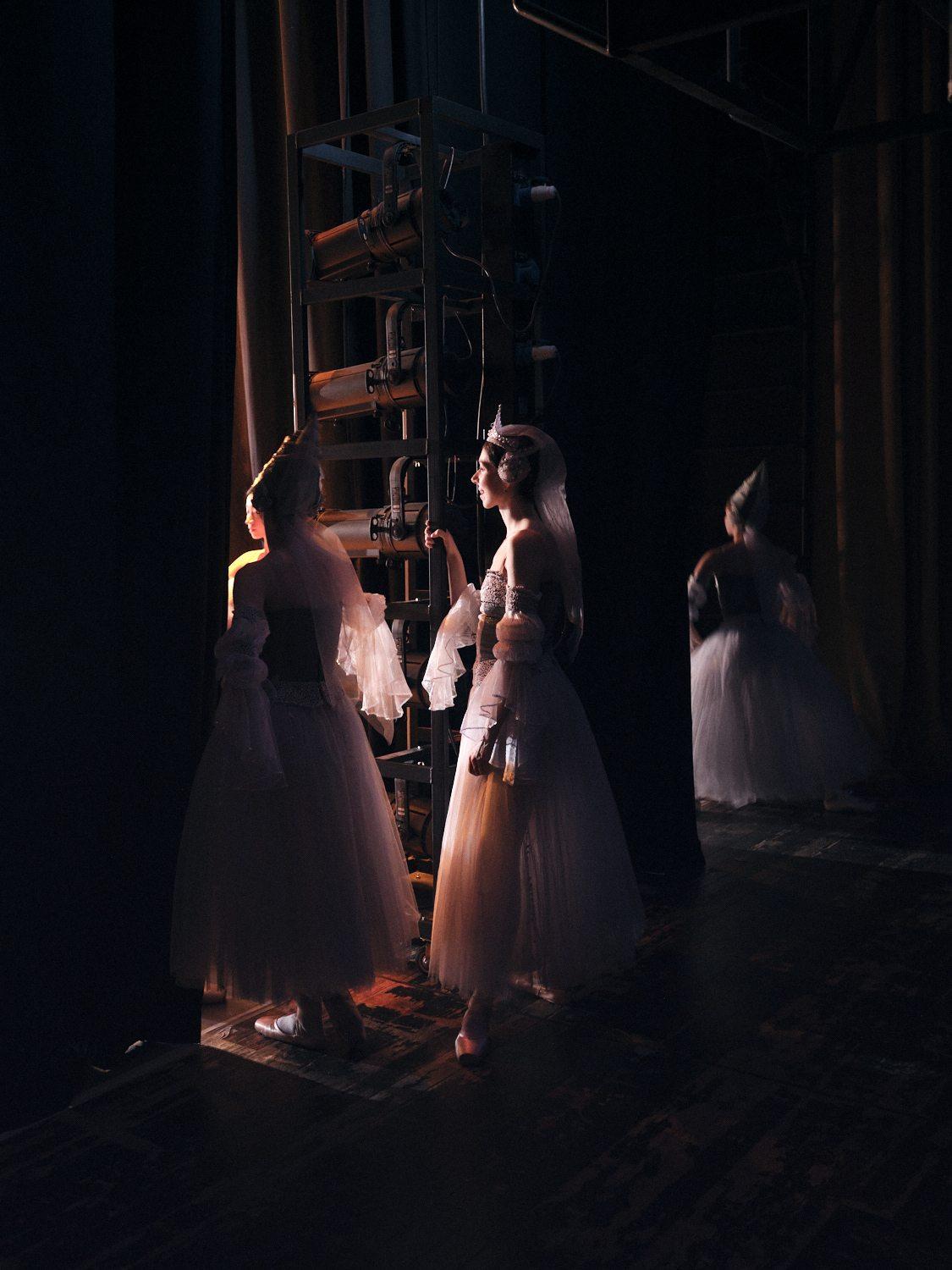
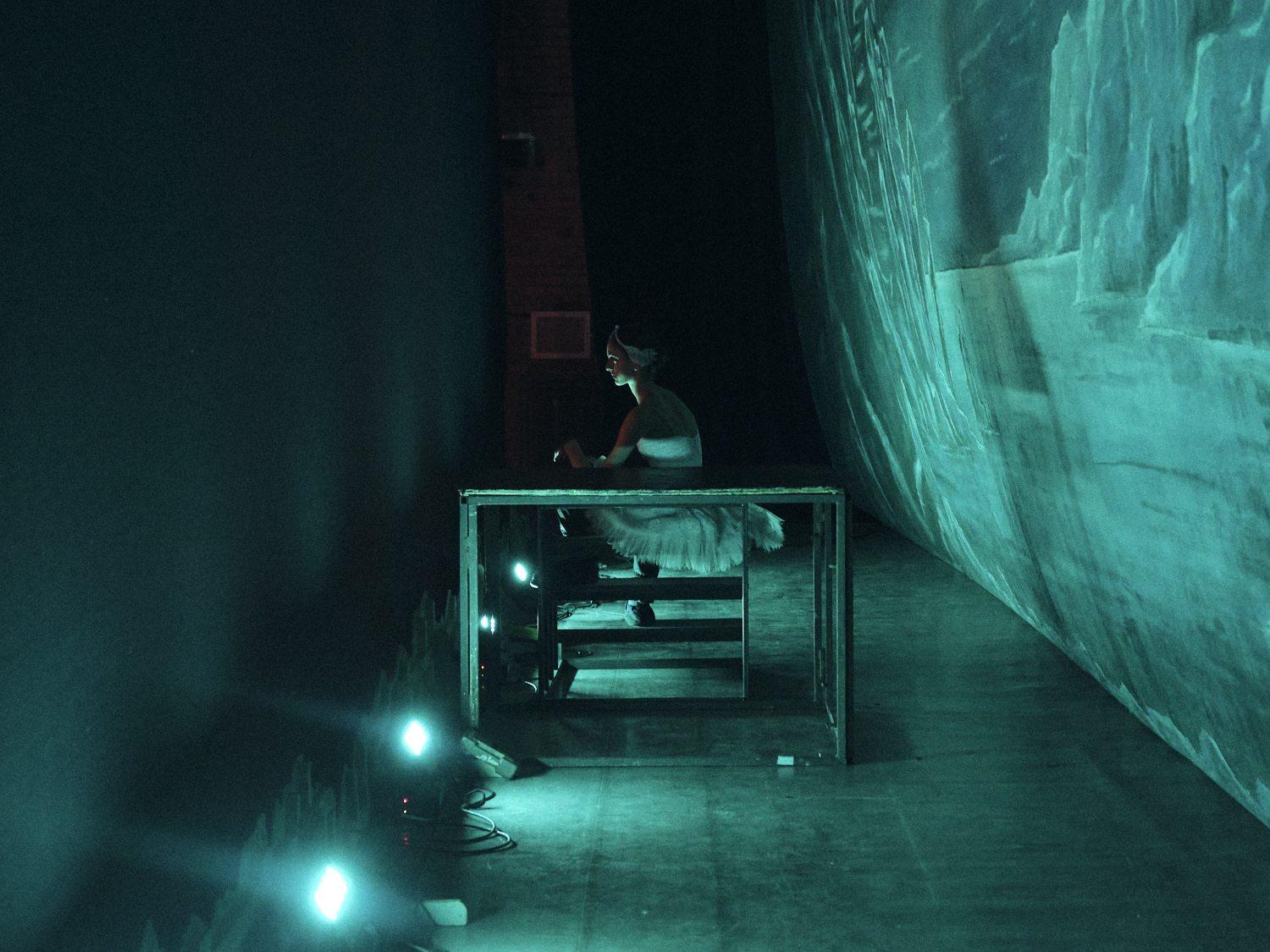
South African documentary photographer, Lee-Ann Olwage, recently spent a month in Eastern Europe shooting the State Ballet of Georgia, with the Fujifilm GFX100RF being her camera of choice. In this broad interview we chatted about how she approaches a story, tenderness in her approach, and the camera’s standout feature. (All images courtesy of Lee-Ann Olwage)

Lee-Ann Olwage
How did this project come about?
My partner and I have been travelling to Georgia (the country) and central Asia regularly over the last four years. It’s one of those unexpected places that you just can’t get enough off. Georgia in particular fascinated me because of its rich cultural heritage. When you speak to Georgian people they are extremely proud of their heritage and everywhere you look culture is celebrated through music, dance, folklore and food. It’s chaotic, charming and enigmatic.
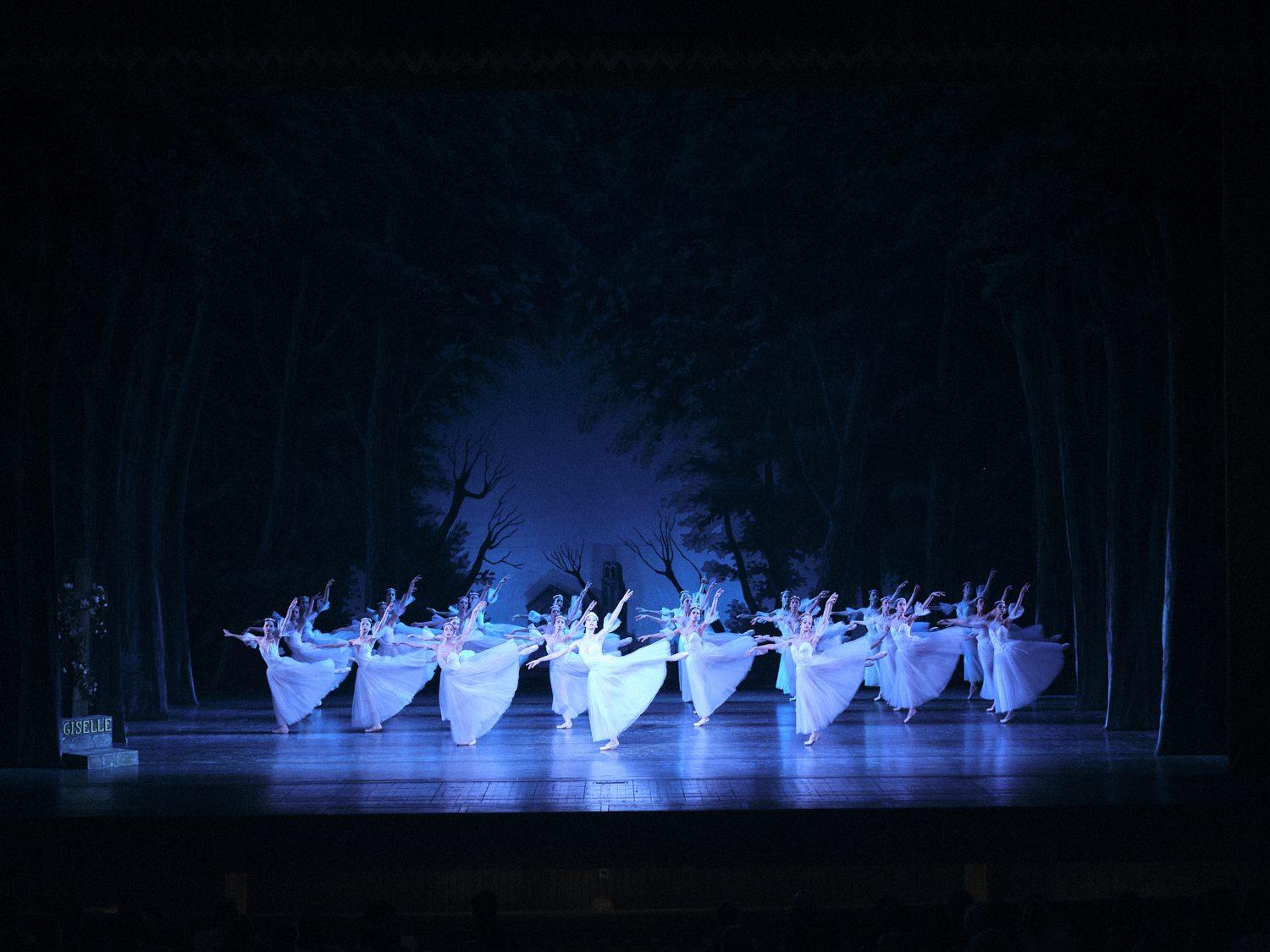
I’m always interested in stories about people, culture and identity and when I learned about the incredible story behind the State Ballet of Georgia I was intrigued. Nina Ananiashvili has been named one of the greatest ballerina’s of all time. From 1981 to 2004, she was the prima ballerina of the Bolshoi Theatre in Moscow and she was the first dancer from the former USSR to be invited to the New York City Ballet in 1988 where she danced with Andris Liepa. An icon in the ballet world, Ananiashvili danced to sold out audiences for decades and on request of the former president of Georgia, Mikheil Saakashvili, she returned to her beloved home country in 2004 to develop the successful State Ballet of Georgia as the artistic director. From humble beginnings with no money or proper infrastructure, she built up a successful ballet company that has wowed audiences all over the globe with many international visitors and dancers flocking to Tbilisi every year.
As we were planning to go back to Georgia in June, I made contact with the ballet company and asked if I could spend time working with them on a project. They agreed and I knew immediately that the Fujifilm GFX100RF was the camera I wanted to use for the project.
How do you approach a story, especially if it takes place in a foreign country?
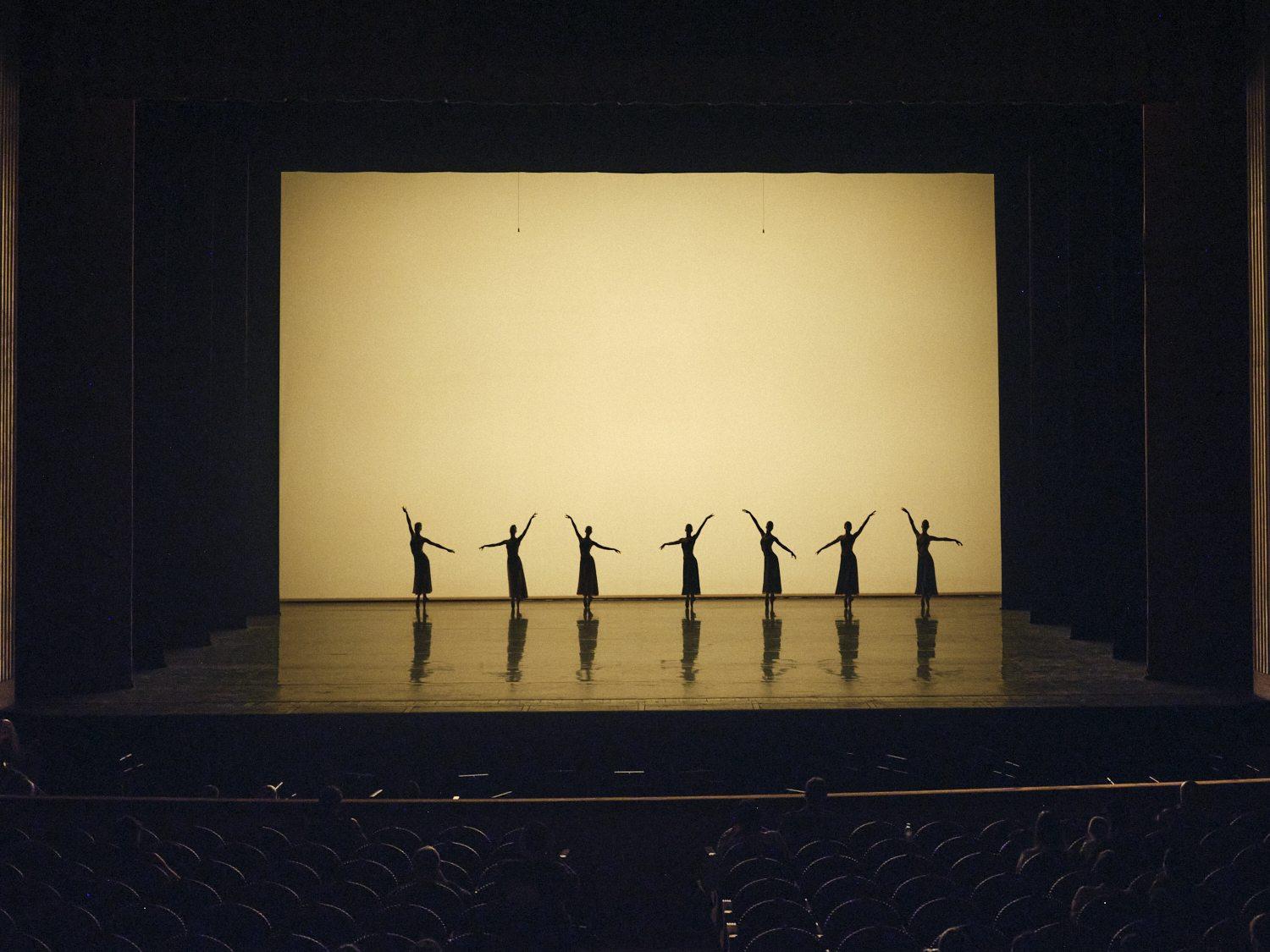
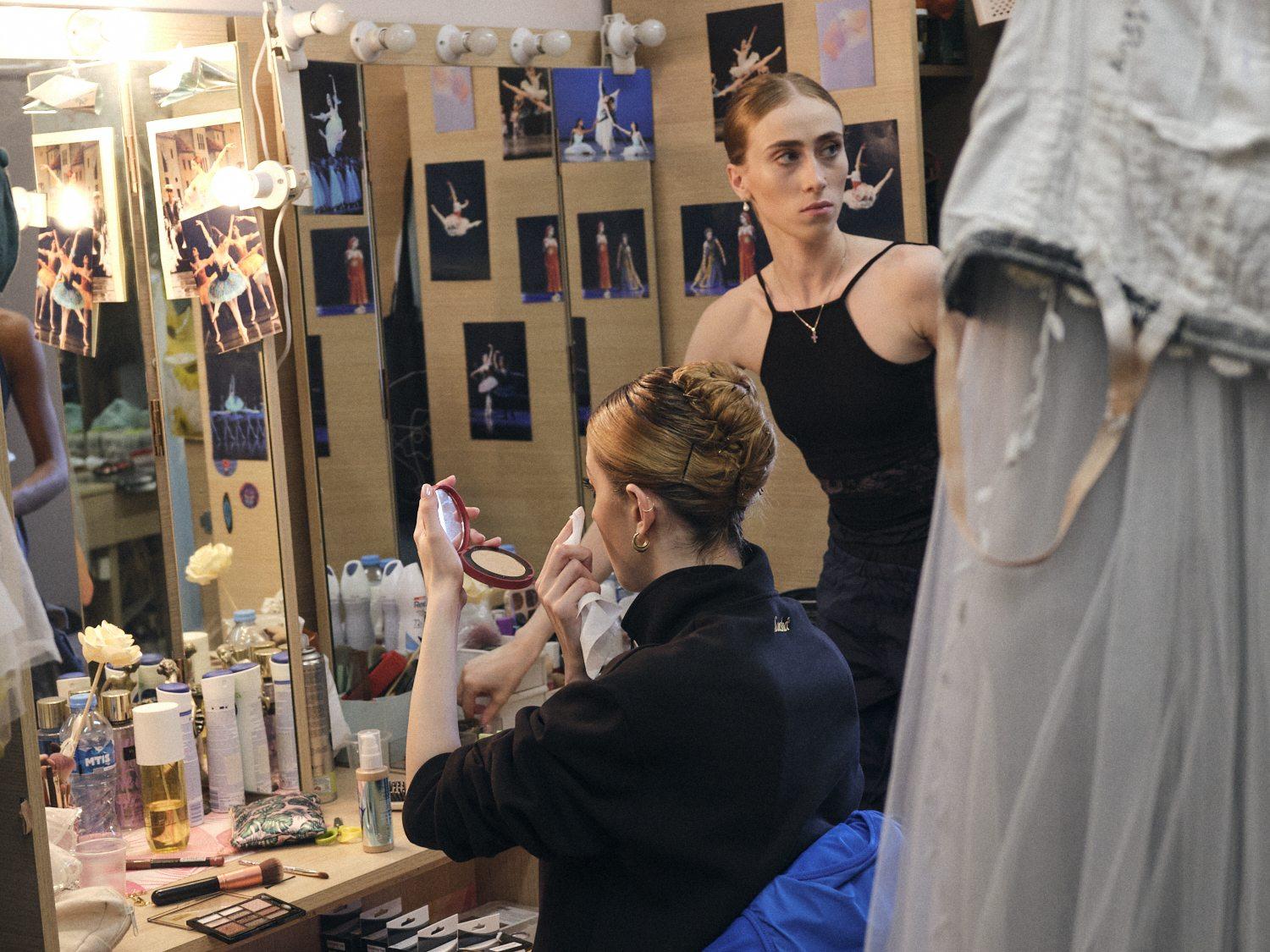
I think stories have their own visual language and it’s important to be open to this. At the start of a project I do a lot of listening and feeling. I’m heavily influenced by the space I work in and a couple of days into the project I was completely immersed in the beautiful opera house and world of ballet. Every night when I would leave the Tbilisi Opera House after spending all day attending training, rehearsals and performances, I felt like I was emerging from a magical rabbit hole. I was so lucky to have this incredible access and spend my days documenting the company.
Starting any project takes time and trust and I think it’s important to give yourself the time to let things evolve organically. The more time you spend, the more people open up to you and the better you begin to understand the rich and layered dimensions of the story you are hoping to tell.
When looking at your photography, there is a sense of tenderness that shines through. Is this something you cultivate while photographing?
I have a very gentle and sensitive approach in my work and am a firm believer in never forcing things. I’m also very curious and inquisitive, and I genuinely love learning about people. I love going back to places over and over and find that the more you do this, the more people see how committed you are to the work you are making. I’m such a big fan of long term projects and I think all of these characteristics probably attribute to the tenderness you see in my work.
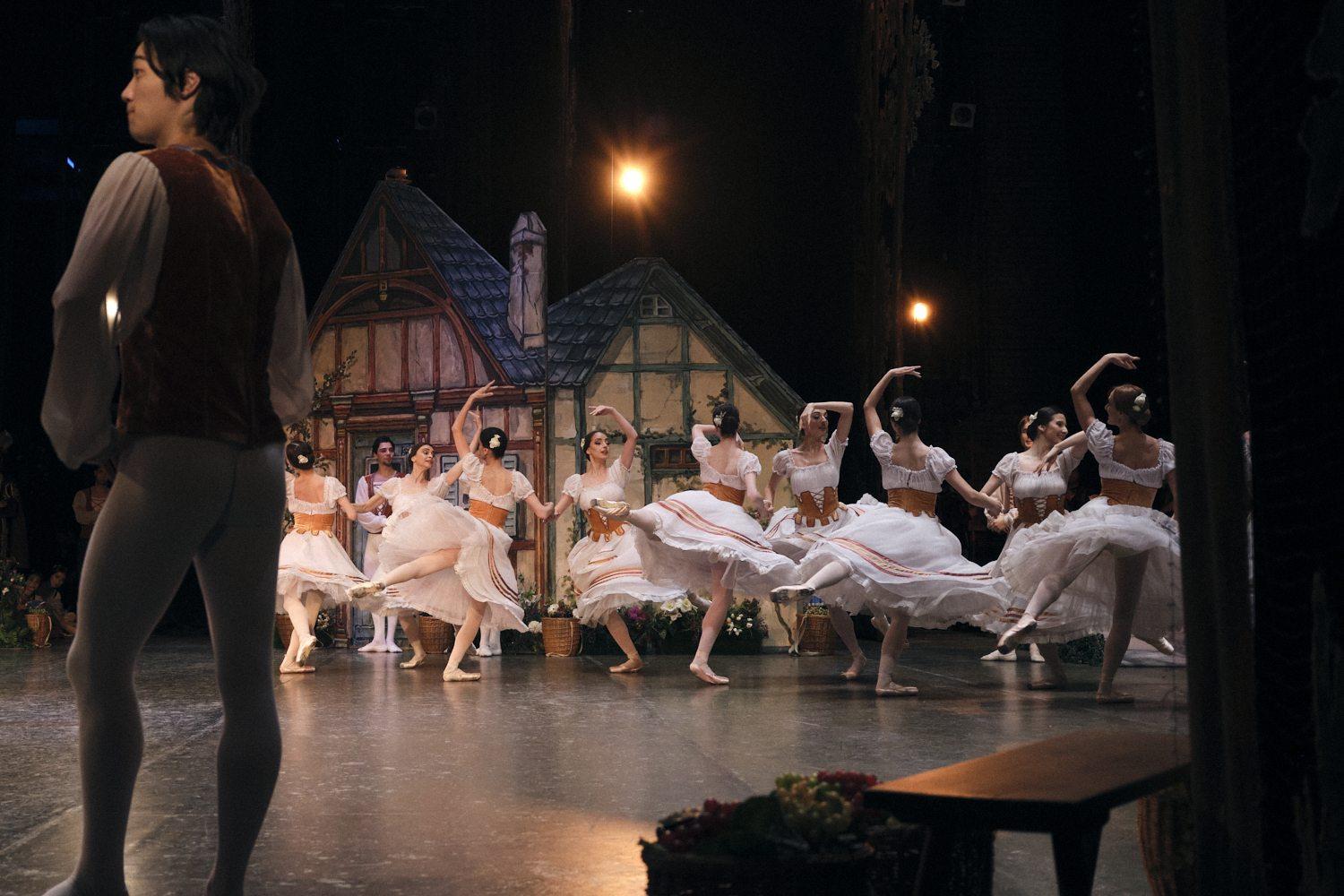
Can you tell us about your workflow? Has the GFX100RF impacted this in any way?
I religiously download files after a day of making images. I generally take a quick look through as I’m very excited about what I created that day, and it helps me to think about what I would still like to work on. I then step away from those images for 24 hours or more and then start making selects and grouping images together.
What I love most about the GFX100RF is how amazing the images look when I pull them in. The colours are exquisite and the files need very little work. This makes editing a lot simpler and I definitely spend far less time colour correcting, especially skin tones.
The lens has a maximum aperture of F4. Have you found this sufficient for a) low-light, and b) separation of subject and background?
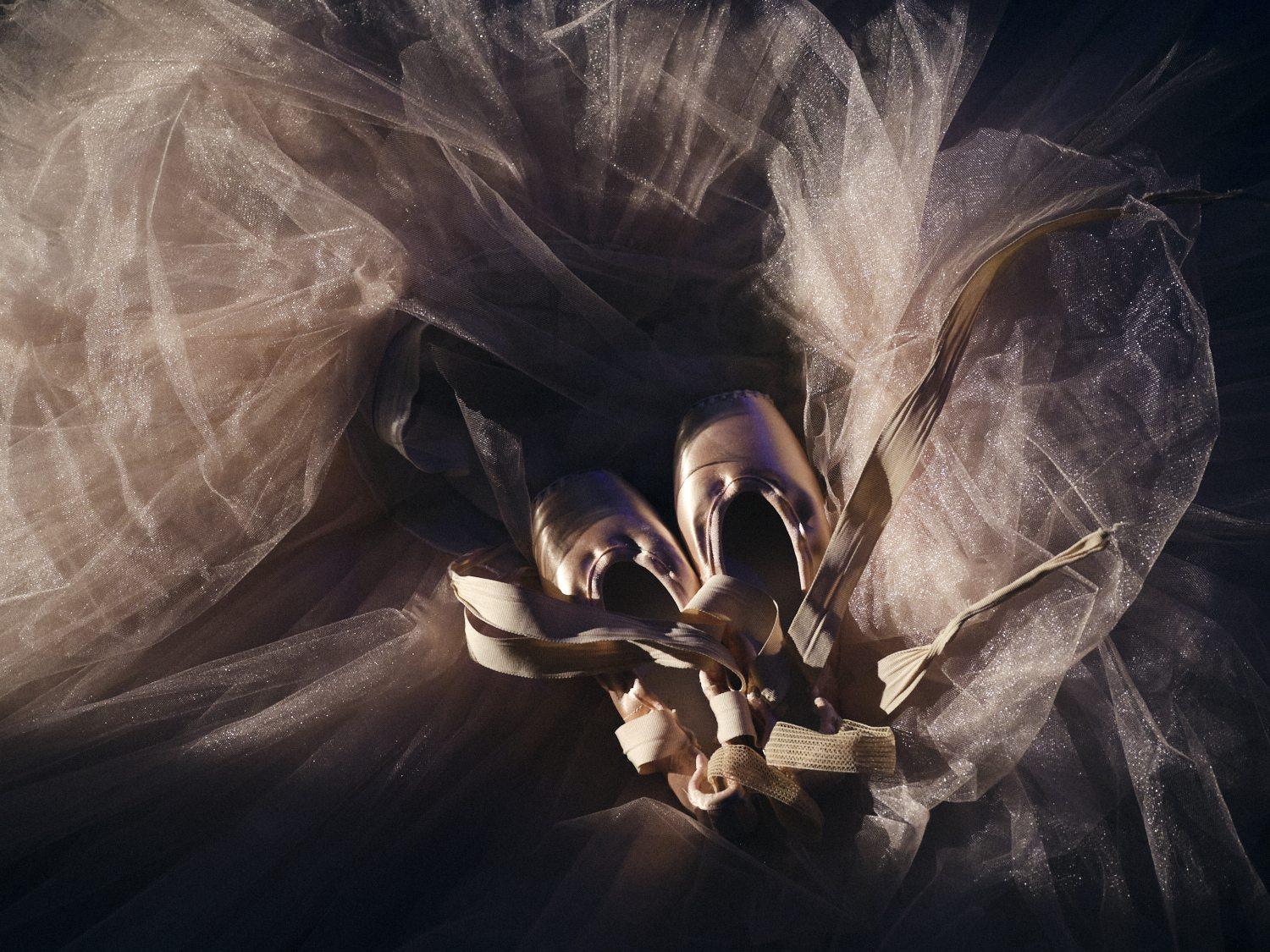
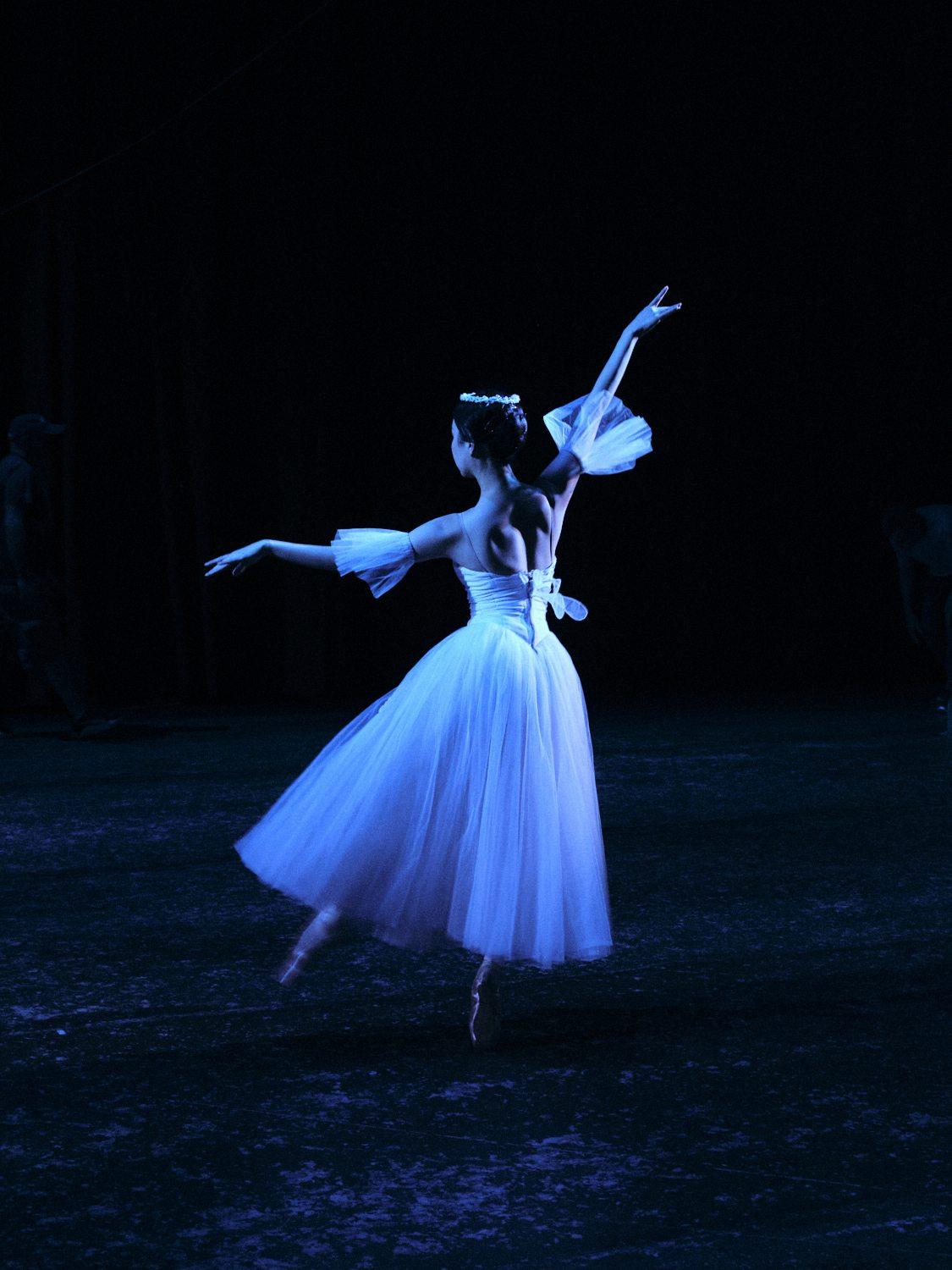
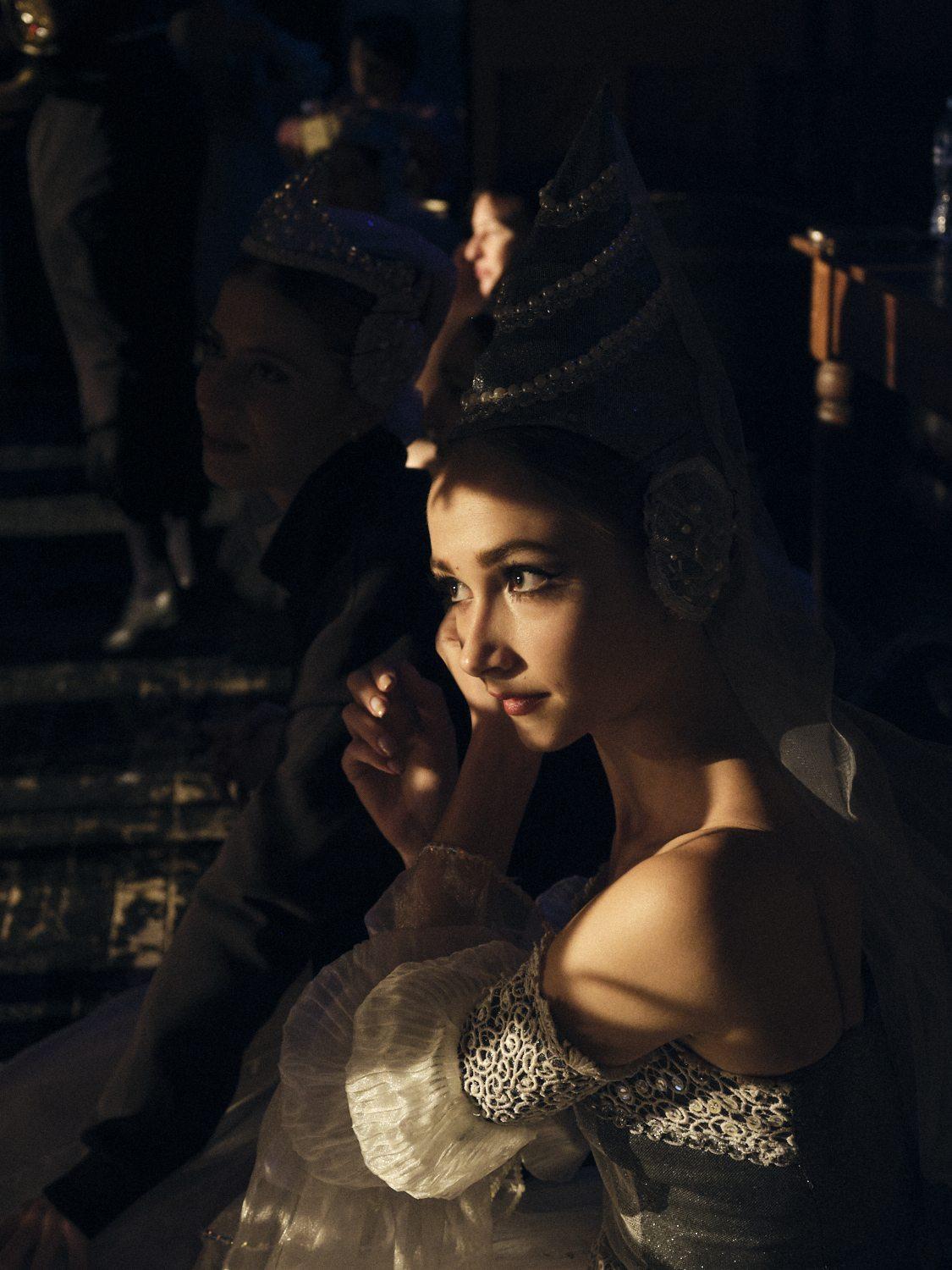
Most of the images I made for this project were made backstage in low light and that is where this camera really shines. It performs really well at F4 and for portraits you can get enough separation between the subject and the background.
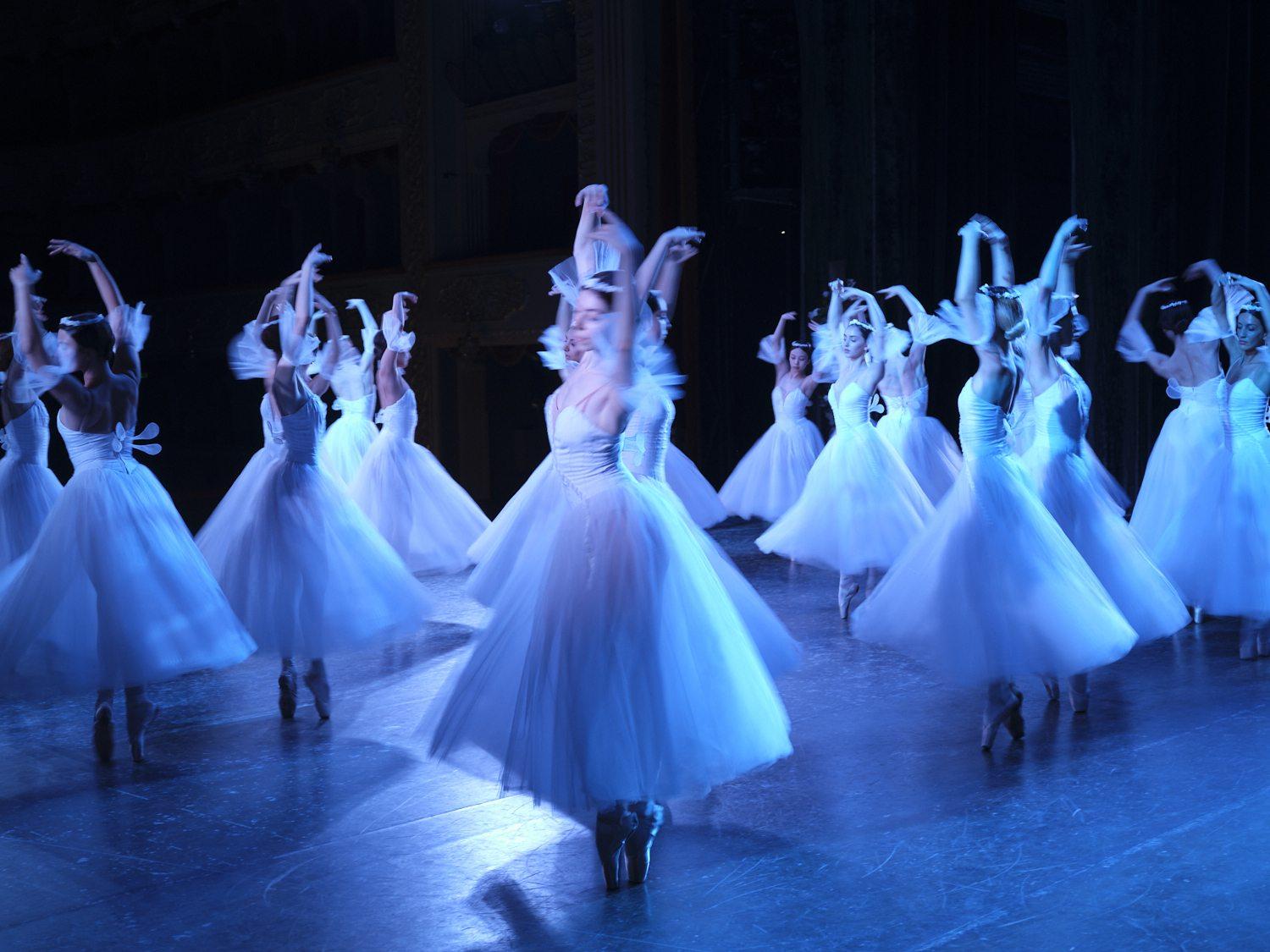
Having shot on both full frame and with the large format GFX, what are your thoughts on image quality?
Love, love, love the image quality of the large format GFX. And still amazed at the files this compact camera produces. This project is rich in texture, colour and detail and the GFX100RF helped me create the most beautiful images.
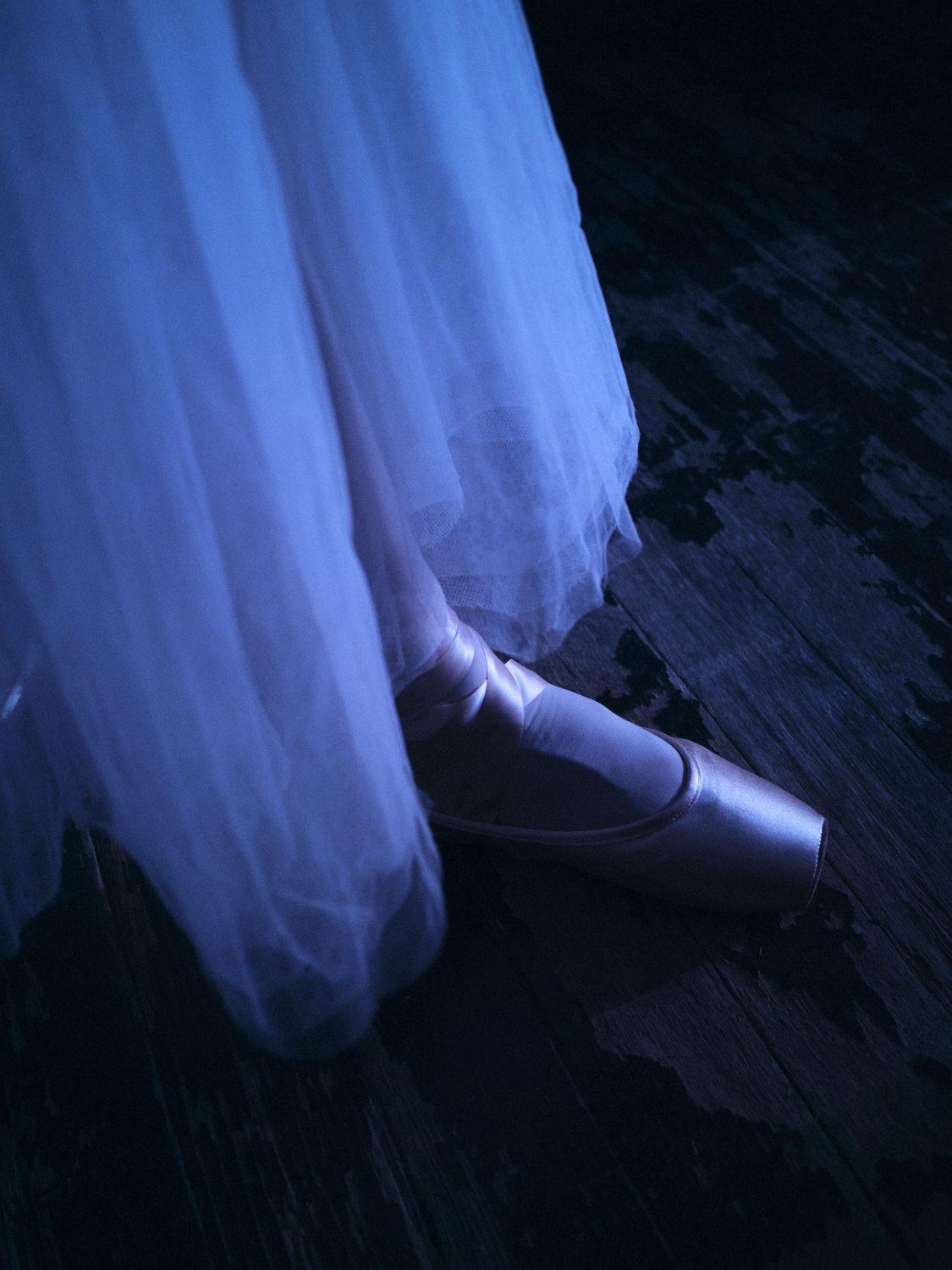
Many photographers are now incorporating videography in their work. You mentioned this project was the first time you used the GFX100RF’s video capabilities. Why did you include video and what did you think of the video quality?
This project really lent itself to including video elements. As much as I love the images I made, I felt it would be a shame to not create film clips of the dancers. The video capabilities really amazed me. I made some clips using a tripod but also ended up doing a lot of handheld work and the camera performed very well. The compact nature and great resolution add so much value to the work I am able to produce for clients of personal projects.
What do you believe is the GFX100RF’s standout feature?
It’s hard to list only one standout feature as this camera gives me so much for the kind of work I do. I have always been a big fan of the compact nature since I first tried it out before it launched this year. That paired with the incredible image quality, video capabilities, true to life rich cinematic colour, and the interesting aspect ratio and exposure compensation dials make this my preferred camera of choice. But perhaps most of all I love that I can tell this camera was made by people who love photography as much as I do.