Take Ten: Tommy Trenchard

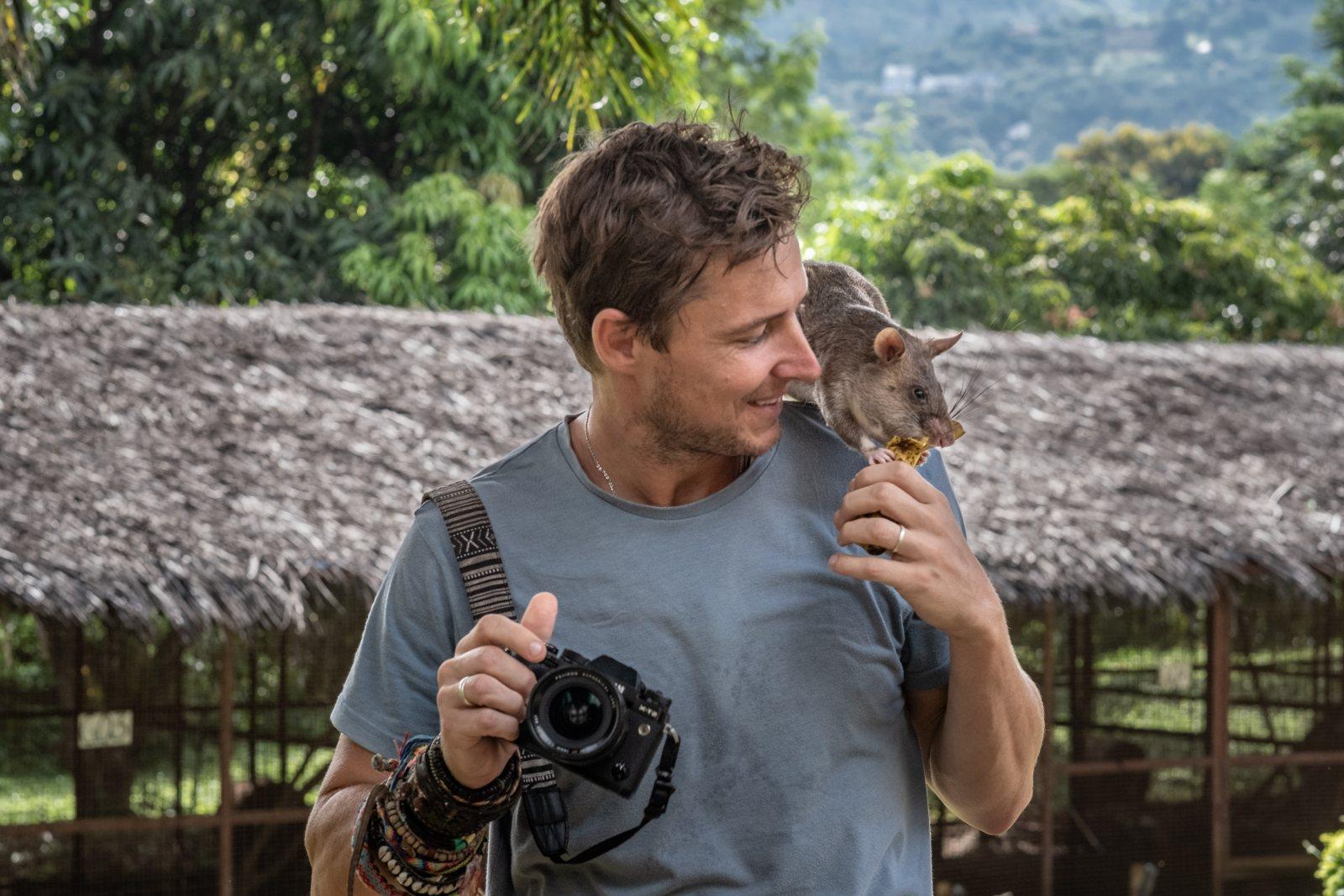
Based in Cape Town, documentary photographer, Tommy Trenchard, won a 2025 World Press Photo award for an amazing project on human-elephant conflict. Who then better to chat with regarding risk on assignment, building up trust in a project, is award winning story and the constituents of a good photo, than Tommy himself? (Image: Lily Shallom)
Tommy Trenchard
Congratulations on being a 2025 World Press Photo Contest winner in the category Africa Stories for The Elephant Whisperers of Livingstone! Can you tell us about your approach to this project, the difficulties you faced in capturing it, and your most memorable part please?
Thank you so much! The project was about the worsening conflict between humans and elephants in Livingstone, Zambia, and it focused on a team of three volunteers dedicated to keeping both people and animals safe.
I went into the project hoping both to convey the impact of human-wildlife conflict in the town, and also to highlight the amazing work of the Elephant Response Team, who work 24/7 trying to de-escalate tensions and keep elephants out of harm’s way.
The biggest challenge was probably trying to capture the elephants entering the town every night in the near pitch darkness, and trying to do so safely and without getting in the way of the team. The most memorable parts were probably riding along in the back of the Response Team’s truck every time they received an emergency call out. They’d race off through the town at high speed and often end up in tense, close-quarter interactions with elephants in suburban backstreets.
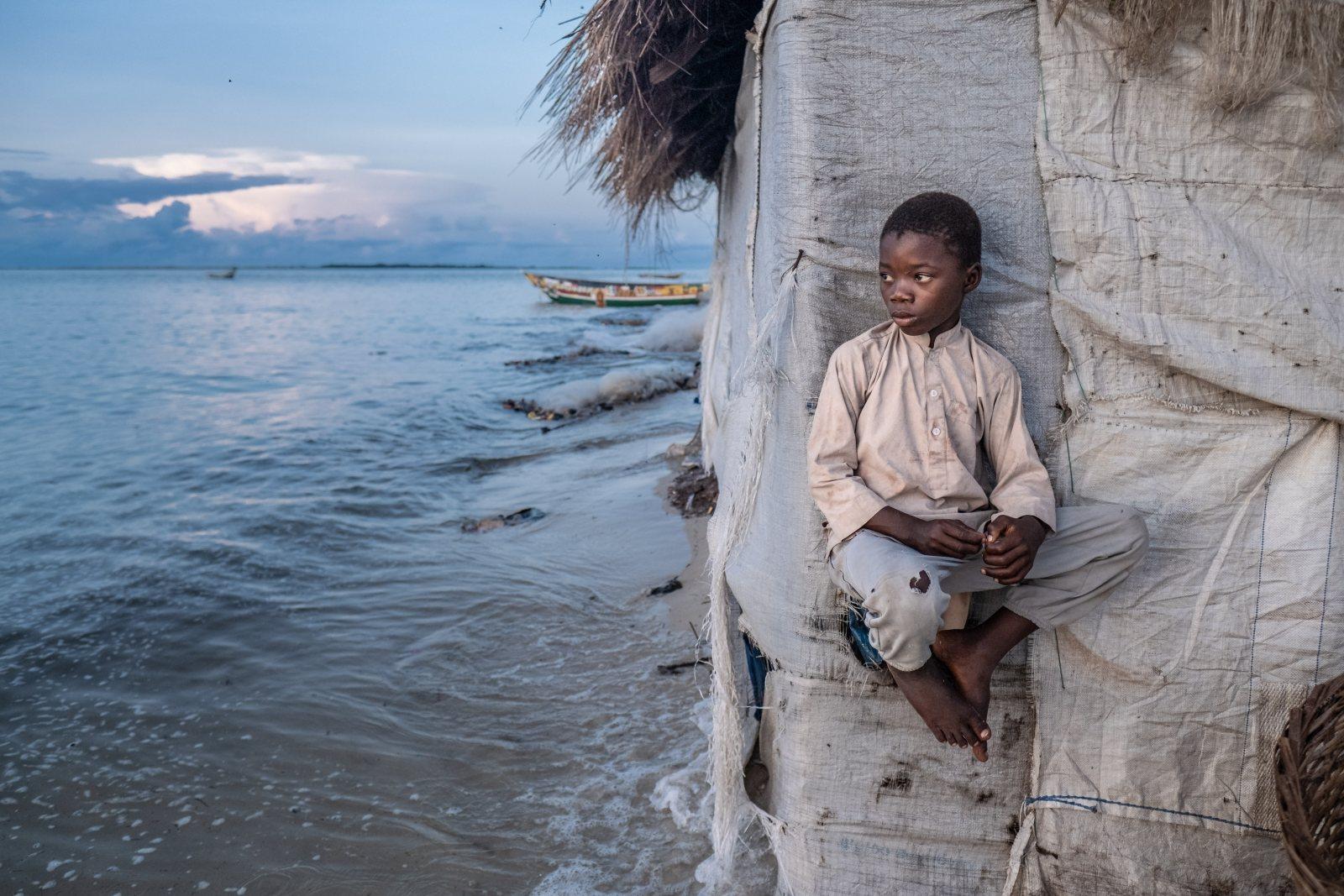
Sounds truly amazing. Projects such as your Coal Miners one involves a certain amount of trust from your subjects. How do you go about establishing this?
I don’t think there’s any magic formula. I think generally it boils down to simply being upfront and open about what you’re doing, being willing to immerse yourself in the world of your subjects as far as possible, and just trying to be as considerate and sensitive as you can. Time is also key. The more time you can spend with your subjects, both before and after you bring out the cameras, the more comfortable they tend to become with your presence.
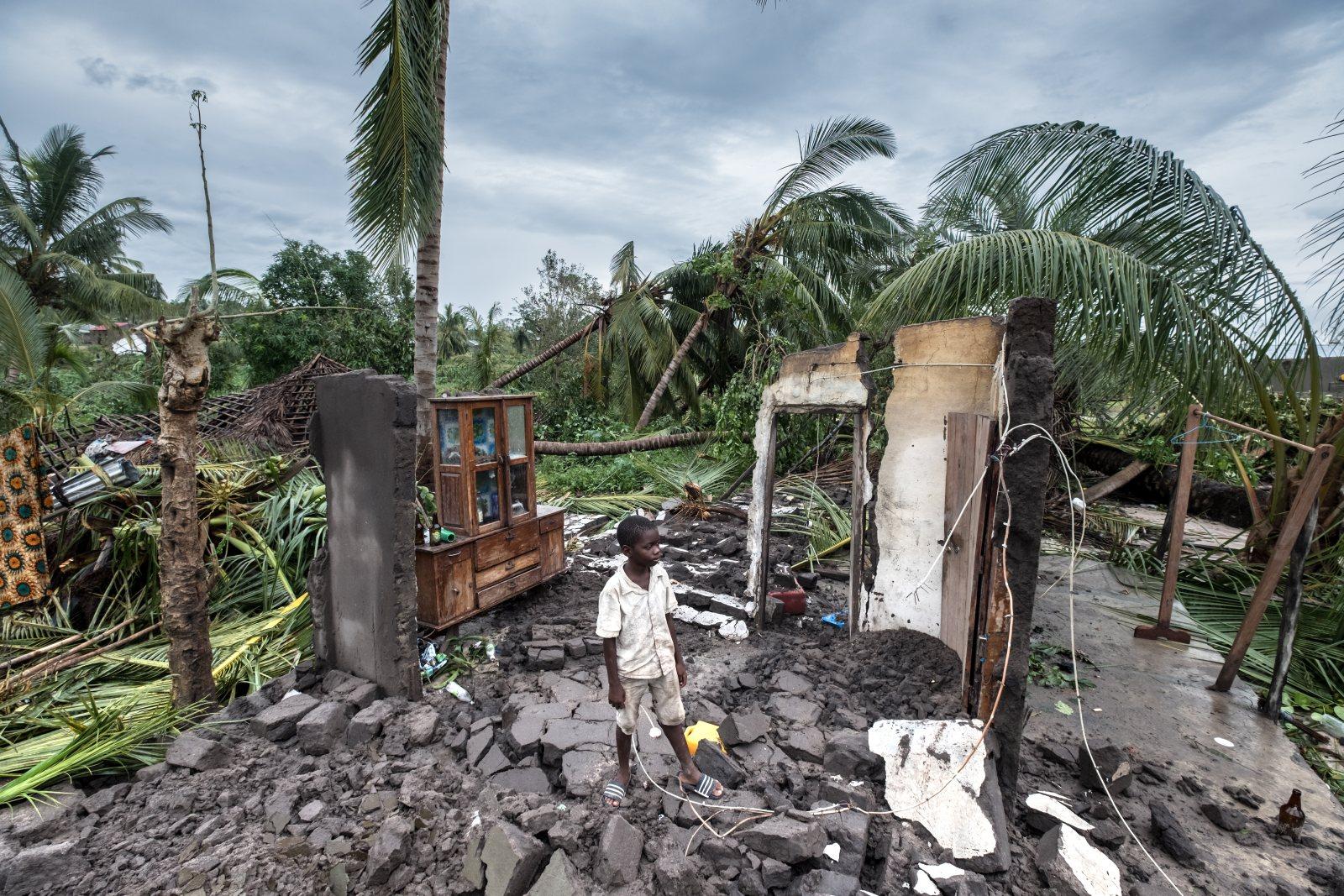
Being on assignment across the world sounds romantic, but you must have had a few harrowing moments along the way. Have you ever thought, hang on, I might not make it out of here alive?
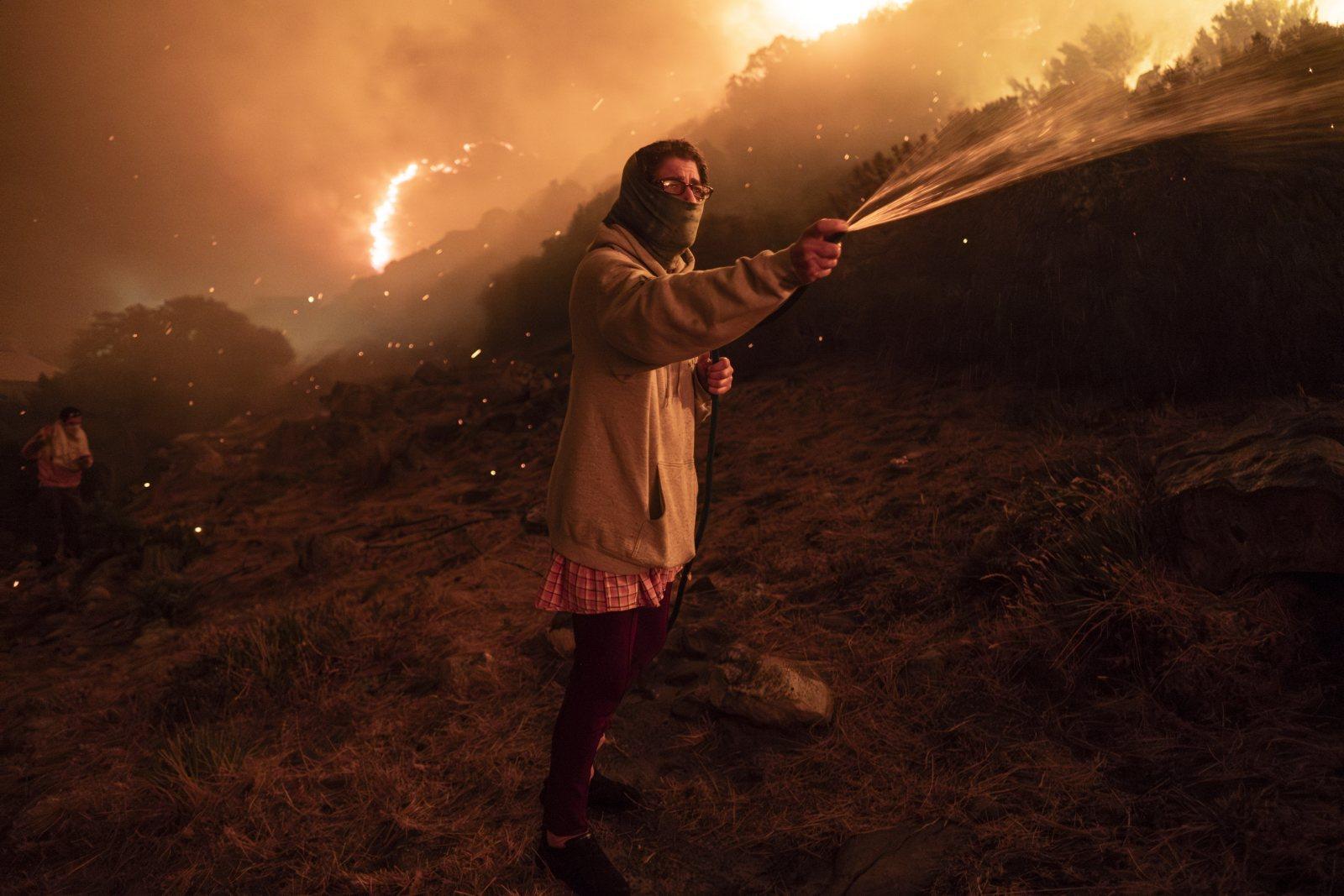
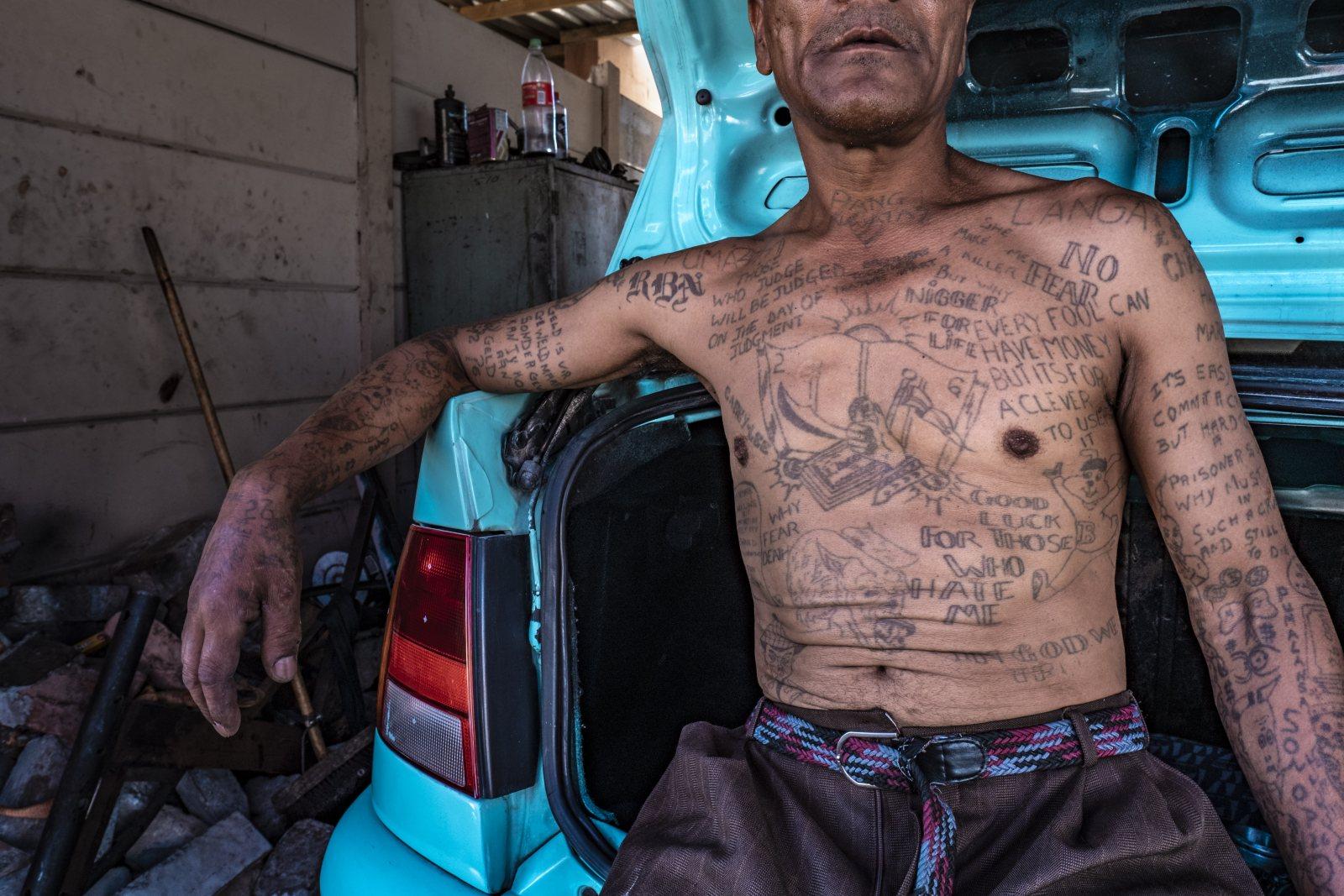
Yes, on the whole it’s been an incredible experience, and I very rarely feel unsafe, but there have definitely been a handful of times when things have felt a little sketchy. Covering issues like conflict, gang wars, unrest, pandemics, natural disasters or organised crime inherently carries some level of risk. I just try to mitigate those risks as best I can, and to make sure I’m informed enough about any potential dangers to be able to decide whether a shot is worth taking or not.
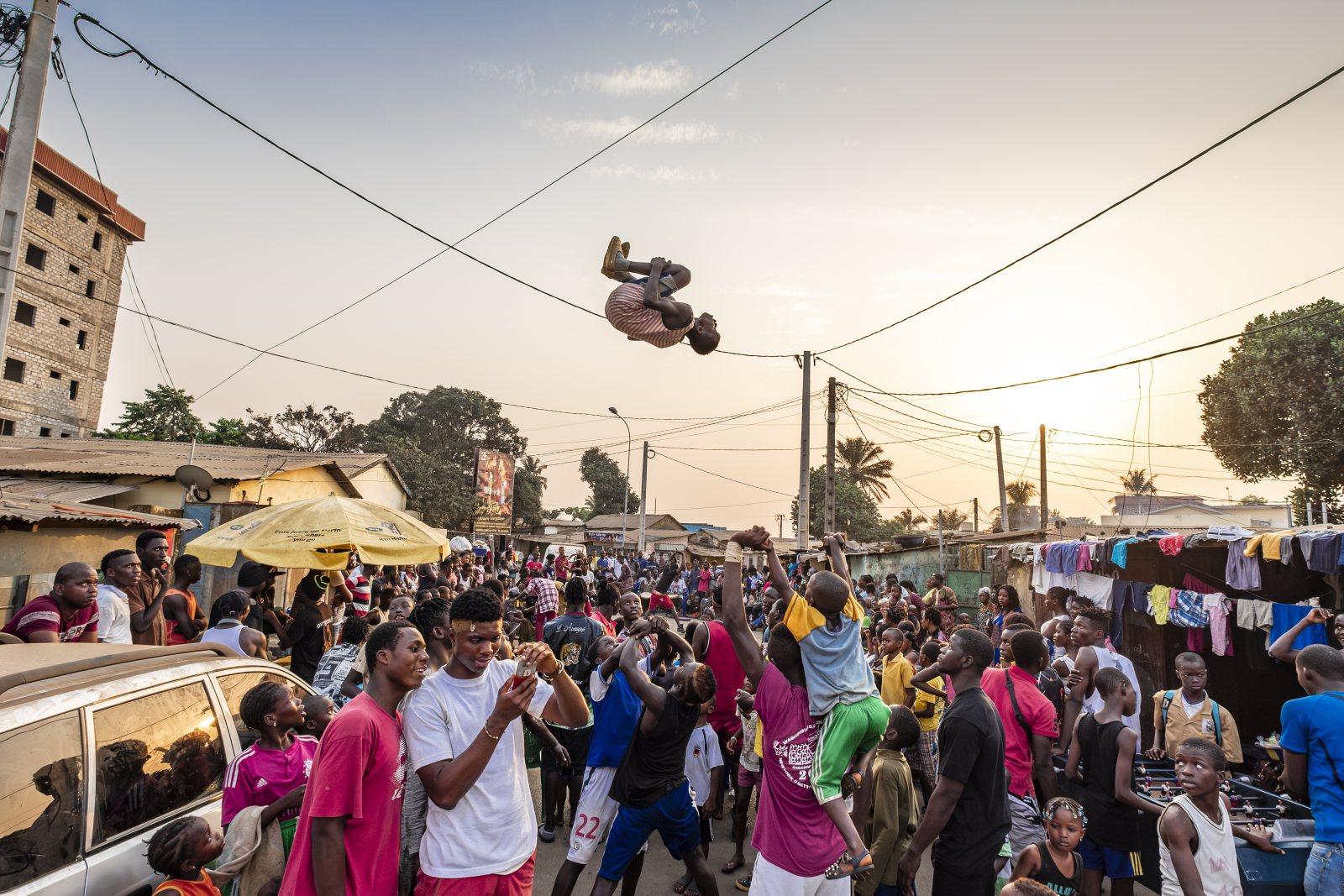
Have you had frustrating projects where the images just weren’t coming? How do you get yourself out of such a situation?
With the projects I work on, access is often the most challenging part, just trying to be in the right place at the right time to take the shots I need to tell the story. And overcoming that just requires time, planning and a willingness to immerse myself as much as possible. On the photography side, I’m a chronic “over shooter”, so I’ll typically just keep shooting, trying new angles, new compositions, until I feel I’ve captured the best version of the scene that I can.
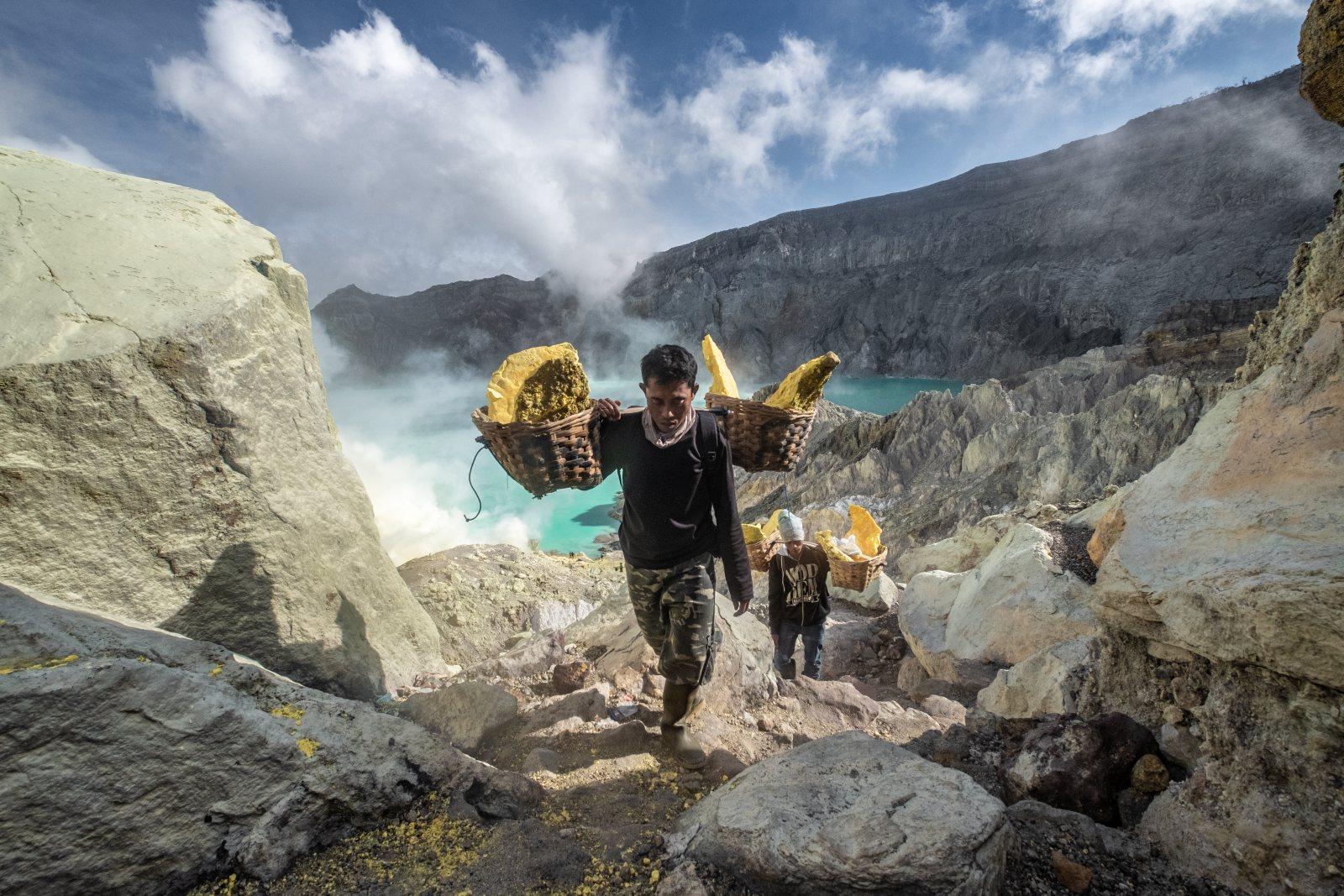
The Elephant Whisperers project was shot with your X-T3. Why do you shoot Fujifilm, and do you have a favourite lens to work with?
When I started out as a photojournalist, I had this idea that professional photographers needed to have big, full-frame cameras, and I spent the first few years of my career shooting with a series of clunky DSLRs. It wasn’t until 2017, when my wife (also a photographer) and I embarked on a months-long working honeymoon through Indonesia, Bangladesh and ending up in Iraq, that I made the switch to Fujifilm. I wanted something small, light and unobtrusive, but that didn’t involve compromising on quality. I’ve been shooting with Fujifilm ever since.
These days, my go-to setup is a pair of Fujifilm X Series cameras (currently a very battered X-T3 and an even more battered X-T2, though soon to be upgraded), with a XF16mmF1.4 prime lens on one and a XF56mmF1.2 prime on the other. About 80% of everything I shoot is with the 16mm. I like the semi-wide angle of view, as well as the fact that the f1.4 max aperture allows me to shoot in low light and gives just enough depth of field to make subjects stand out.
I also always keep a XC50-230mmF4.5-6.7 in my bag for those occasions when I need some extra reach. And for underwater projects I use an X-T20 with a housing from SeaFrogs.
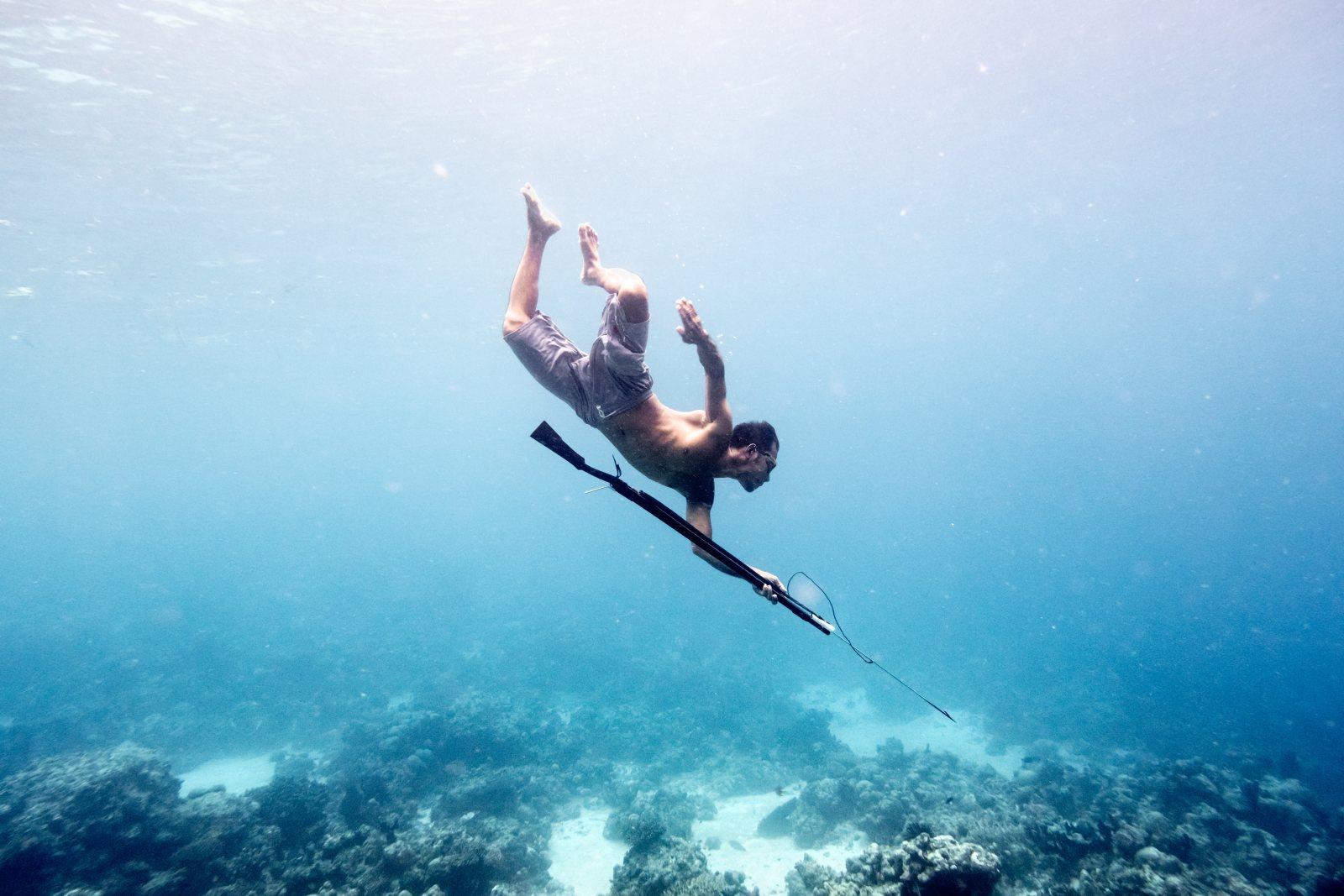
Tell us, what do you think constitutes a good photograph?
Tough one! I think there are so many ways in which a photograph can be good. In the fields of photojournalism and documentary photography, I would say at the top of my list would be photographs that capture a sense of authentic intimacy or emotion – the kind of images that create a moment of visceral connection between the subject and the viewer. Aside from that, for me, a lot of it comes down to the nuts and bolts of light, colour, composition and timing.
The life of a documentary photographer isn’t for everyone. Do you have any advice for those considering this path?
It’s definitely not an easy career; it can be physically and emotionally gruelling. And the industry isn’t in a great state. Budgets have shrunk, print publications are folding by the week, and working as a freelancer always feels somewhat precarious.
That said, it feels like an incredible privilege to be able to do it. Over the years it’s given me a window into so many fascinating worlds, taken me to incredible places and introduced me to so many inspiring people and communities. And it’s provided me with a platform to share stories I feel are important with audiences around the world. At a time of fake news, AI and mistrust of the media, I think the more people there are creating honest, powerful work, the better, so I would absolutely recommend it.
Find more of Tommy’s work here:
Instagram: https://www.instagram.com/tommy.trenchard/
Website: https://www.tommytrenchard.com/