USER EXPERIENCE: Lee-Ann Olwage on the GFX100RF

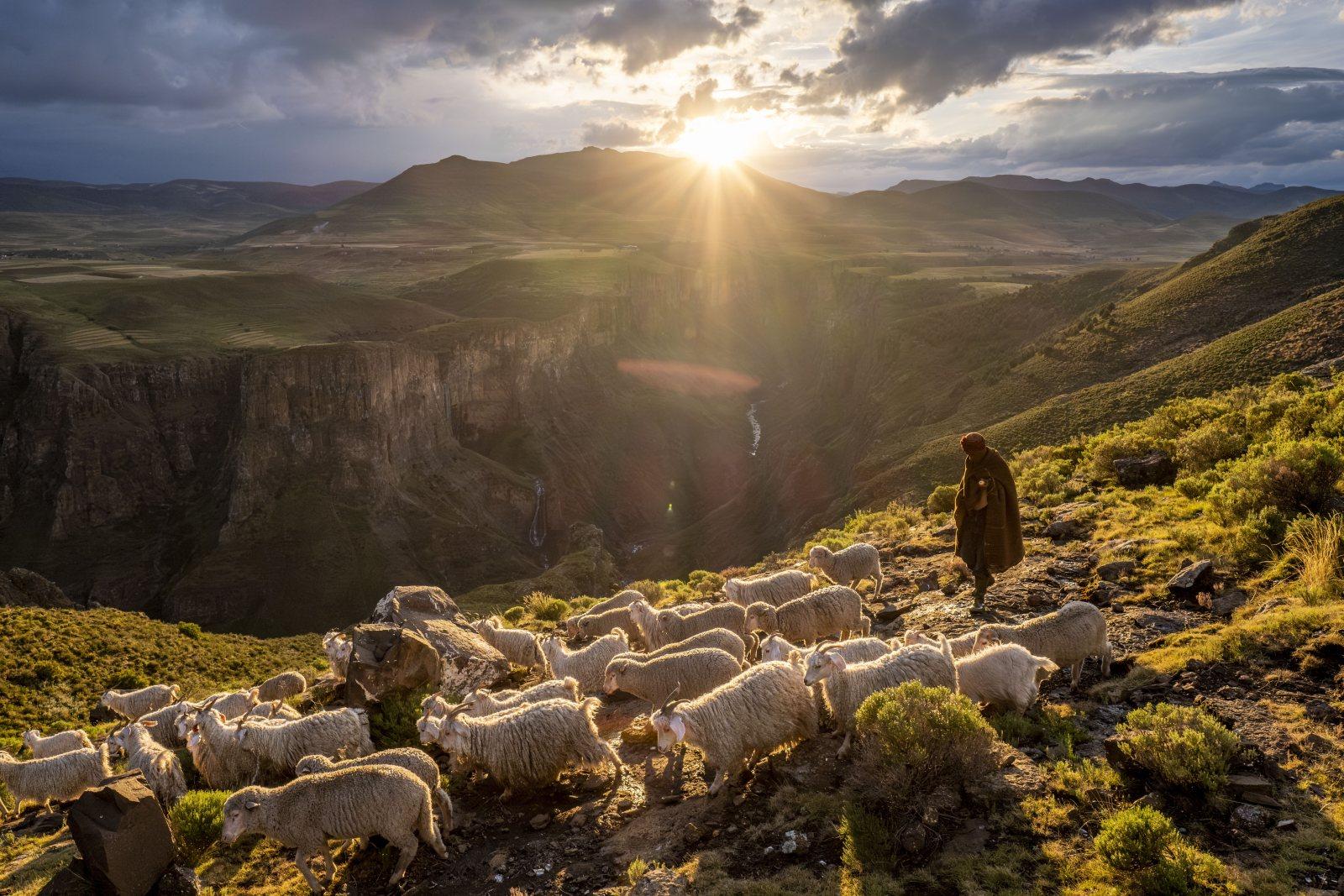
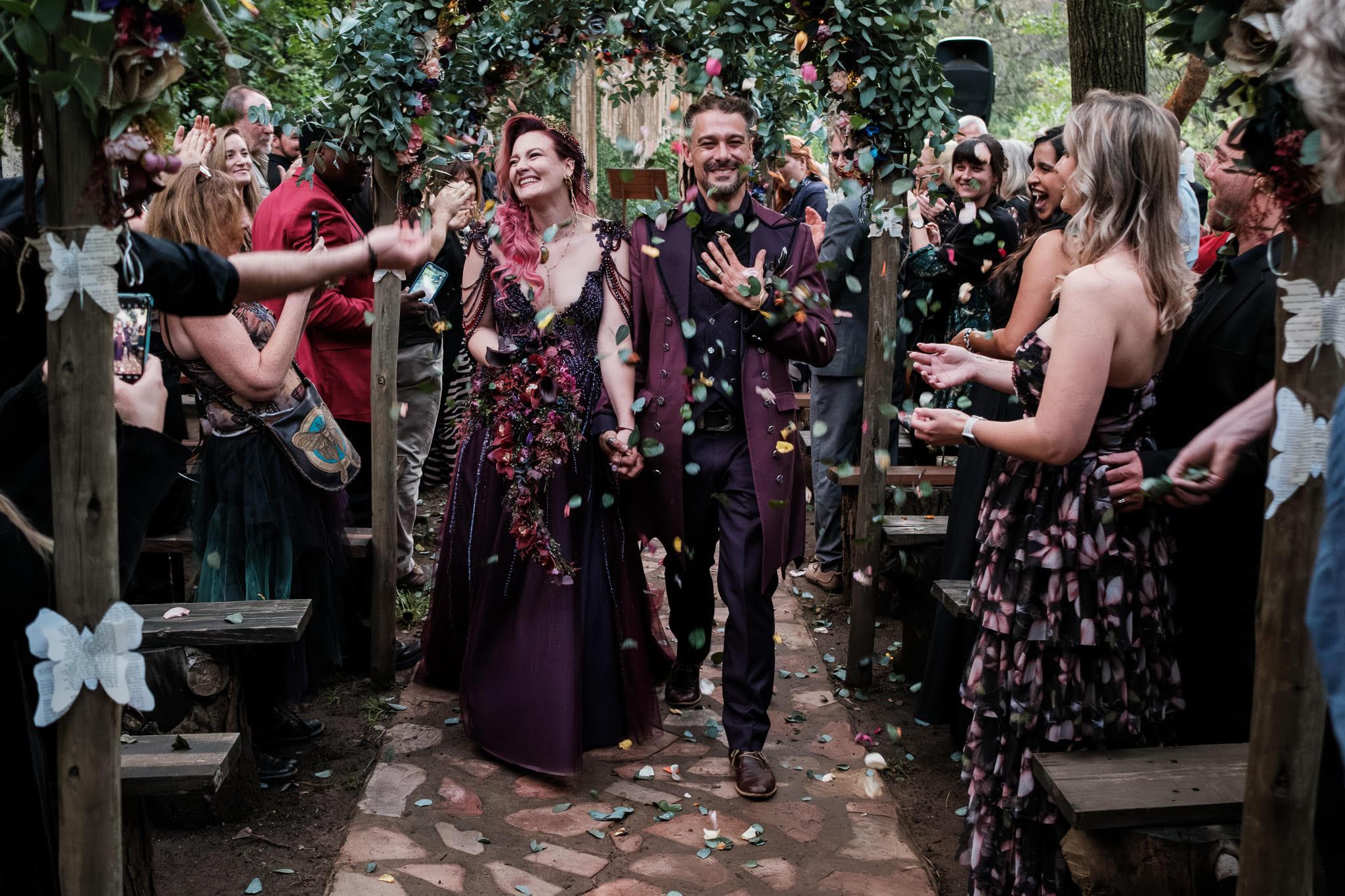
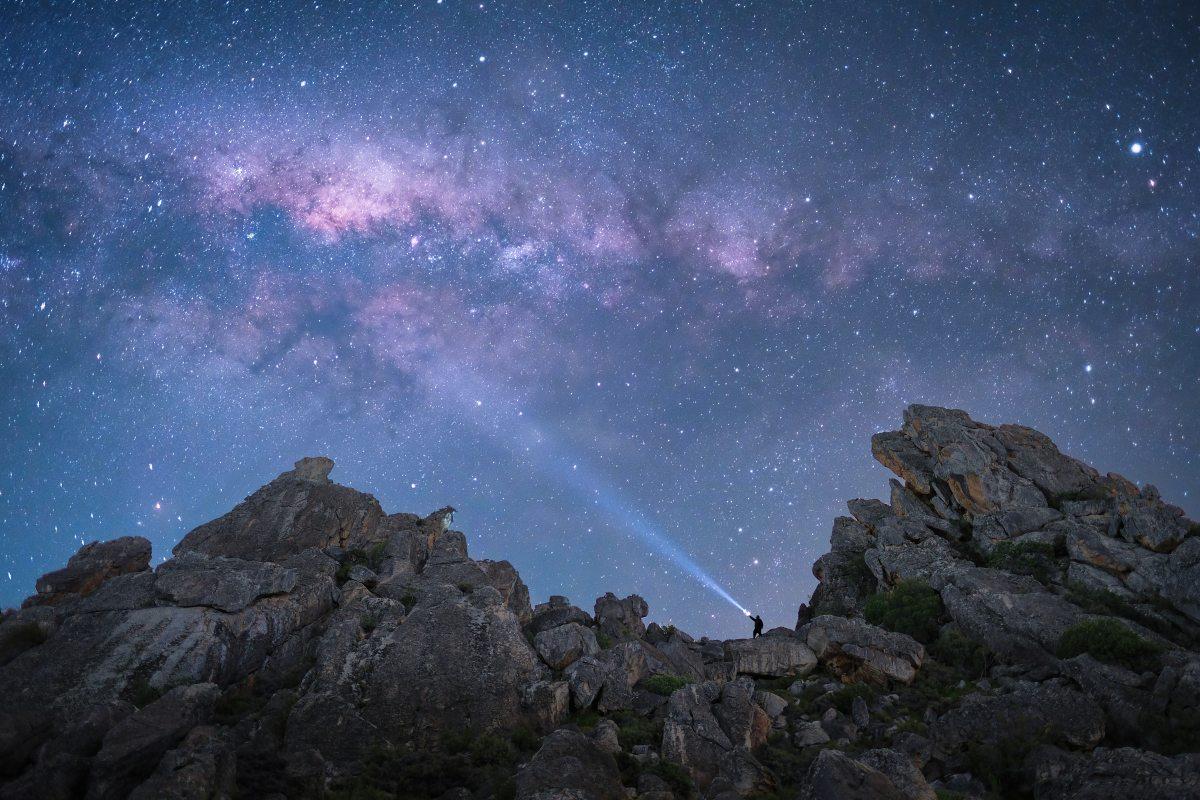
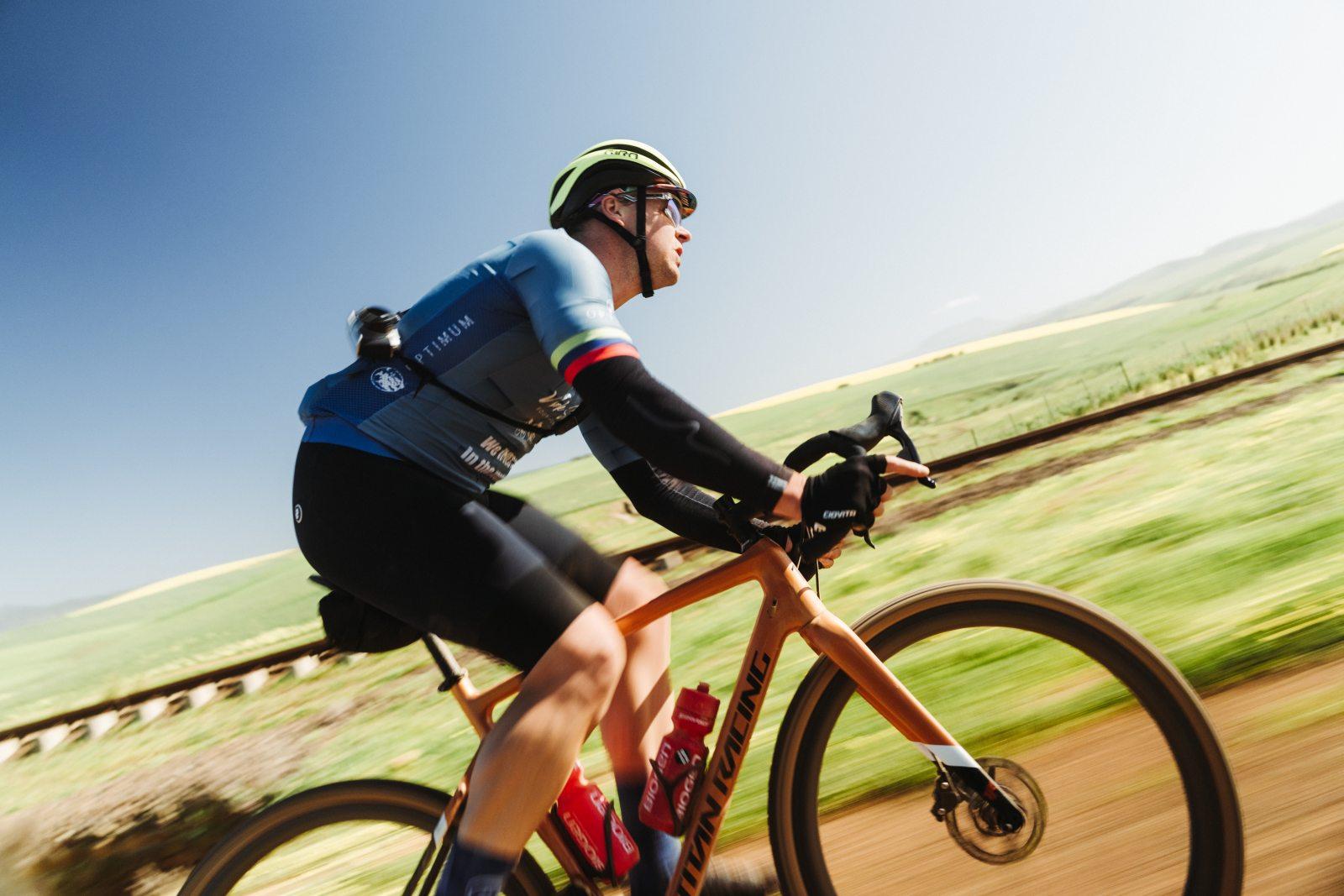
South African photographer and World Press Photo Story of the Year 2024 winner, Lee-Ann Olwage, was involved with the launch of the Fujifilm GFX100RF, documenting an ongoing project in Zanzibar with the camera. We caught up to chat with her about her experience with this fixed-lens large format camera.

Lee-Ann Olwage
Hi Lee-Ann, we loved seeing you represent South Africa at the recent Fujifilm X-Summit held in Prague. How did you enjoy being part of the experience?
I loved Prague. It’s such an amazing city that blends a rich history of art and culture with the history of that region. It was amazing to be surrounded by photographers from all over the world during the summit and to learn from their different styles of photography.
During the X-Summit, you said about the GFX100RF: “I truly believe this camera will make large format the standard for documentary storytelling.” Why do you believe so?
The compact nature of the GFX100RF makes it ideal to use in intimate spaces and remote locations. Previously, large format was large and cumbersome and therefore not ideal in a lot of scenarios documentary photographers create in. The versatility this camera offers is perfect for good storytelling and the fact that you can create large format images with such a compact camera is groundbreaking.
How long did you have the GFX100RF to test, and what did you enjoy most about the camera?
I had the camera for about a month before I went to Zanzibar for my ongoing project and found it very user-friendly. Even though I am new to the Fujifilm family the menu and dials are very intuitive and easy to use.
I love that it is light enough to carry on my body all the time and always ready when I need it to be. Its size makes it less obtrusive, and the camera is always present, so people get used to it quickly. The camera offers many of the key aspect ratios from iconic periods in photography through the Aspect Ratio dial, perfectly blending that tradition with innovation.
Battery life is great, and the portability means it can easily be used on long treks to get to remote locations or easily fit into the camera bags of those who want to add a second camera to their kit.
However, what I loved most about the camera was the way it made me fall in love with photography all over again. The GFX100RF is fun to use and sparks creativity which is rare in a world where many manufacturers have become so hung up on the technology behind the camera that they forget why we love photography.
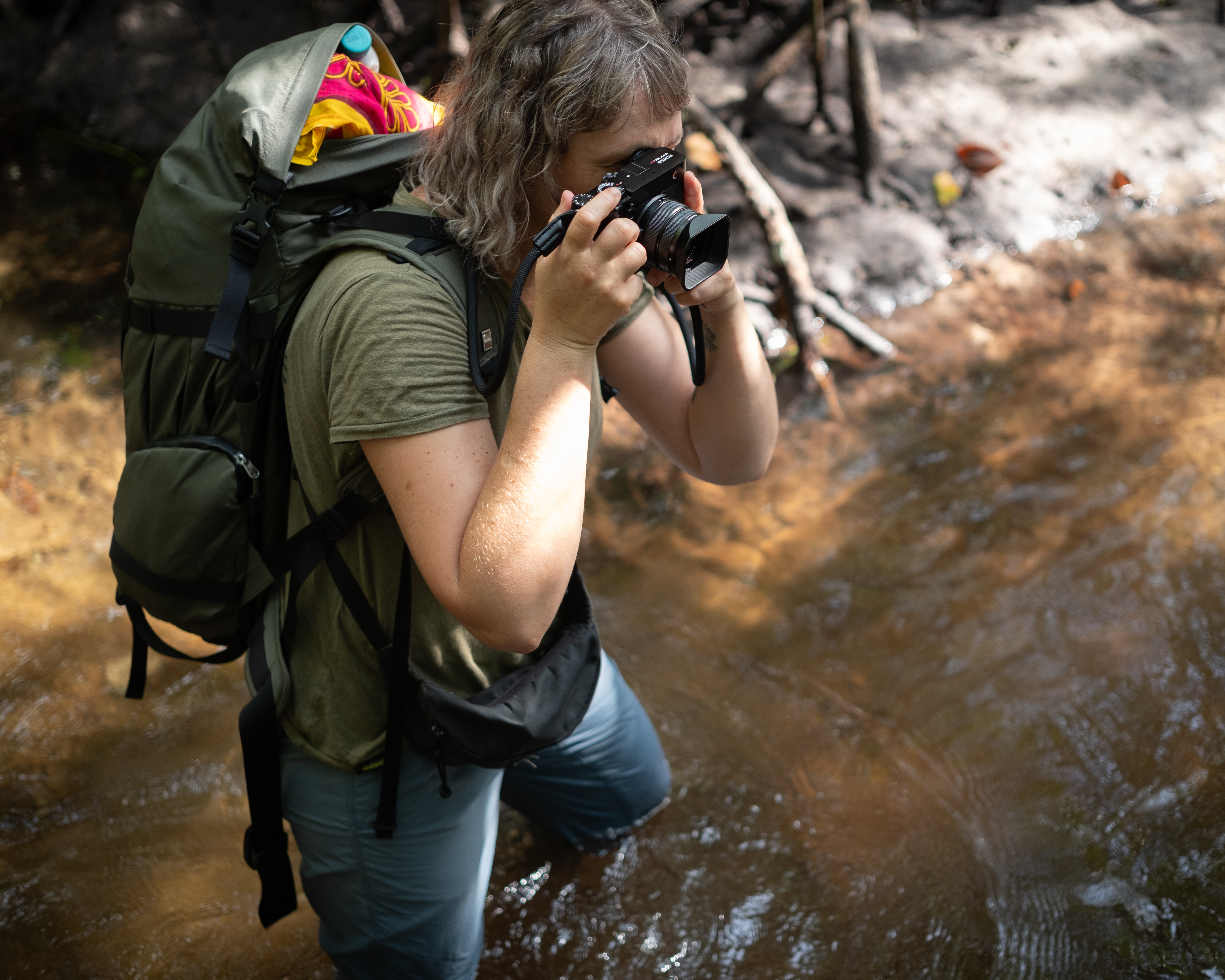
Can you share your thoughts about the performance of the fixed 35mm F4 lens?
I mostly shot wide open at F4 for a lot of the images I made with the camera and got really good results in portraiture and detail shots. The lack of in-body stabilisation didn’t bother me while using the camera in low light or indoors. The image quality is great so you can afford to push the ISO in those situations. I never use a tripod so I need to be able to get sharp images at low shutter speeds and the GFX100RF definitely delivered that.
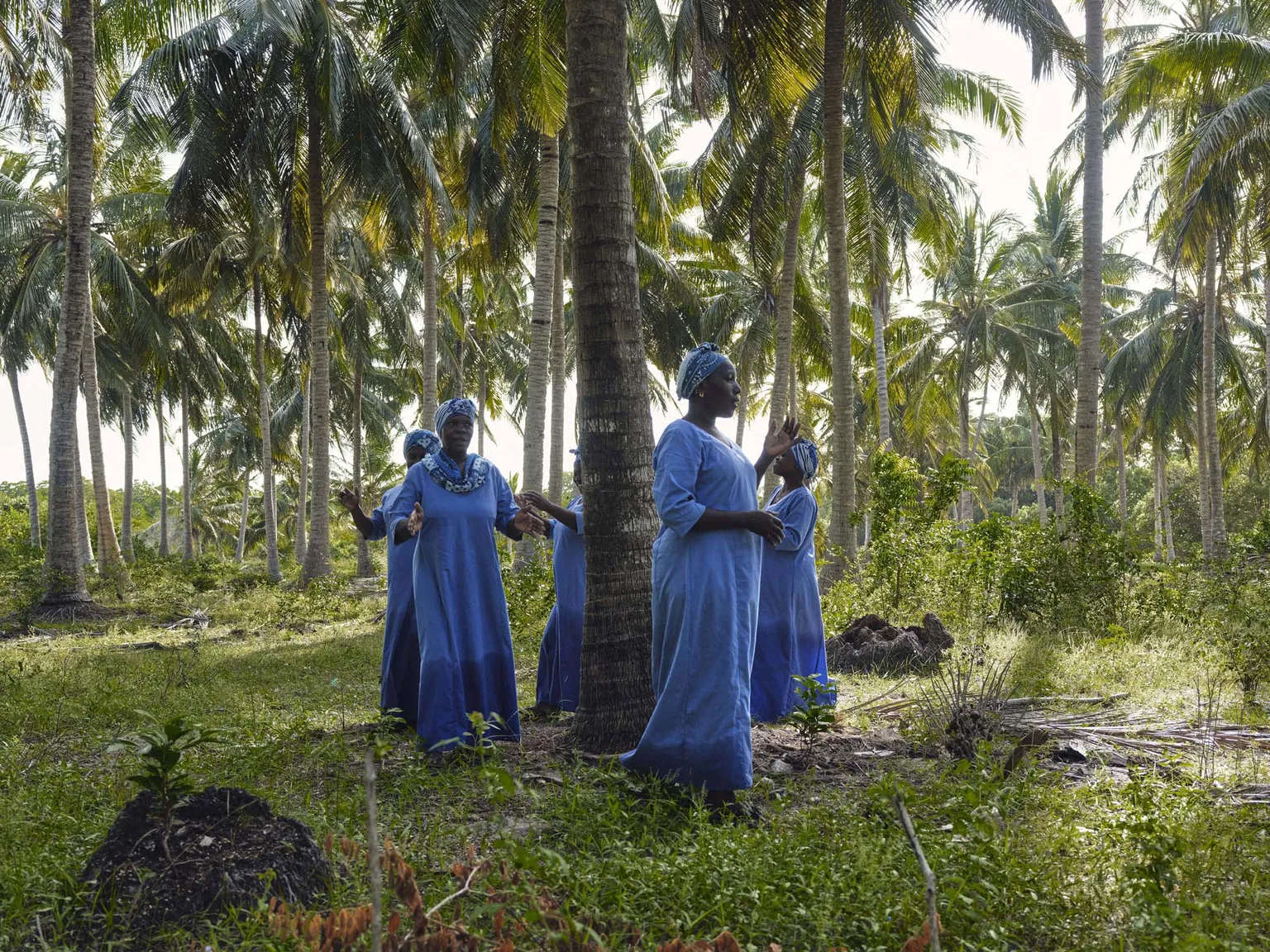
The GFX100RF is a fixed lens camera, but there is a digital teleconverter that offers 45mm, 63mm and 80mm focal lengths. Did you use this at all?
I used the digital teleconverter a lot. I initially wasn’t sure if the fixed lens was going to give me enough versatility for the kind of storytelling I do, but because the digital tele-converter gives you three more fields of view it provides plenty of options.
I love that you can quickly go from making an environmental portrait or a wide landscape shot, to doing close-up details of textures, and then to the next focal length to make a portrait.
A good story consists of different elements that take the viewer on a journey so varying closer and further shots are key. I love how quickly I was able to get a variety of shots on such a compact camera while making large format images.
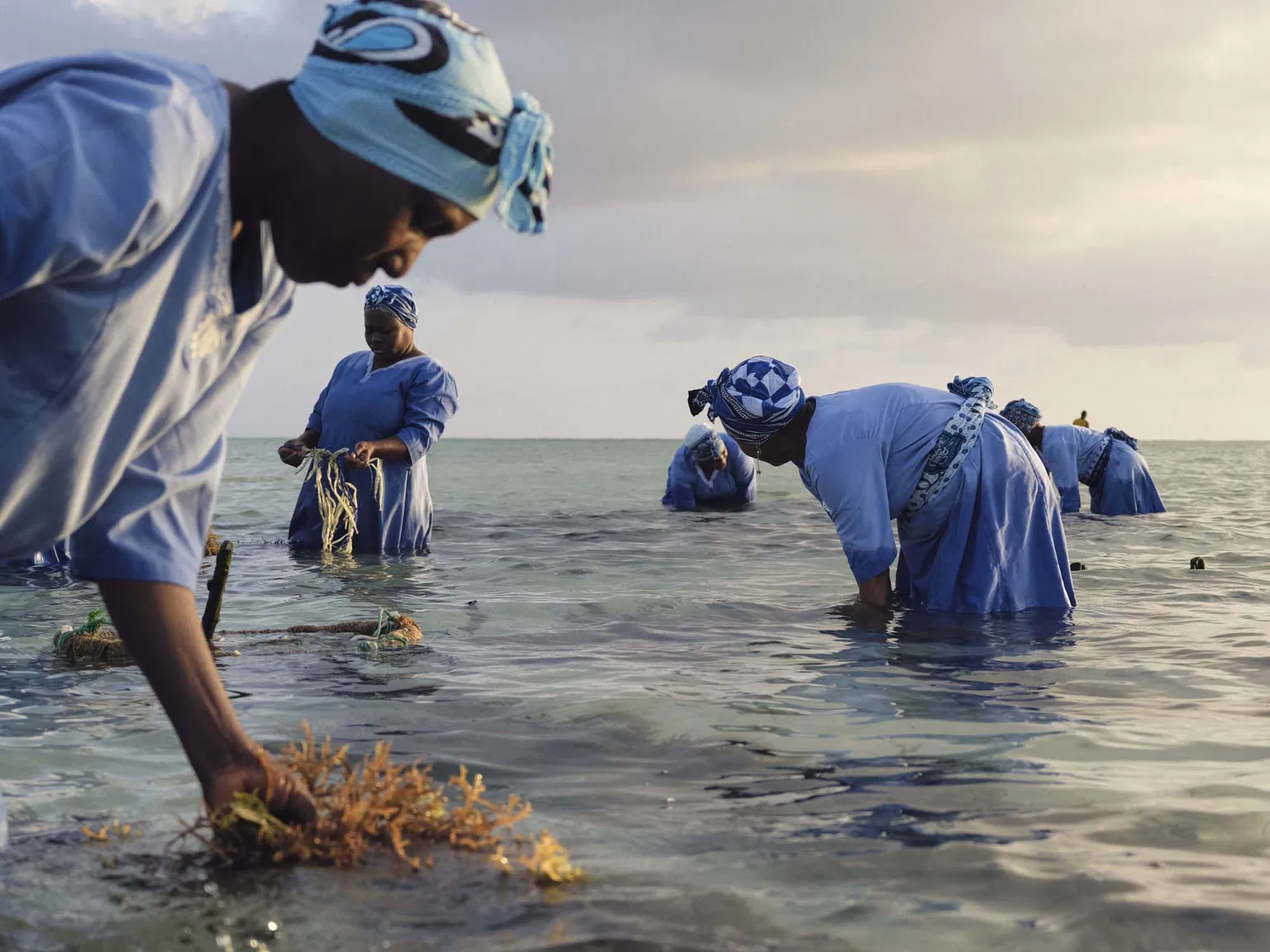
What do you think makes for a great documentary photograph?
I love images that surprise and give an interesting perspective; an image that feels unexpected while showing something familiar. We are inundated with images and stories, and I think a strong image needs to show you what it feels like instead of only showing you what it looks like.
I generally find that when photographers tell stories they care about, they make the best images, so I’m a firm believer in telling stories you care about deeply.
Read more about Lee-Ann’s experience with the GFX100RF here: https://www.fujifilm-x.com/en-us/stories/gfx100rf-x-lee-ann-olwage/
Also visit her website, and follow her on Instagram.
Lee-Ann’s video created by Ray van Breda, shot on Fujifilm.