Videography with Fujifilm: Surour Mohamed

Hailing from Gqeberha, Surour Mohamed has used Fujifilm gear while building himself a local videography business. We chatted more about how he improved his shooting, his YouTube review channel and what Fujifilm brings to his type of videography.
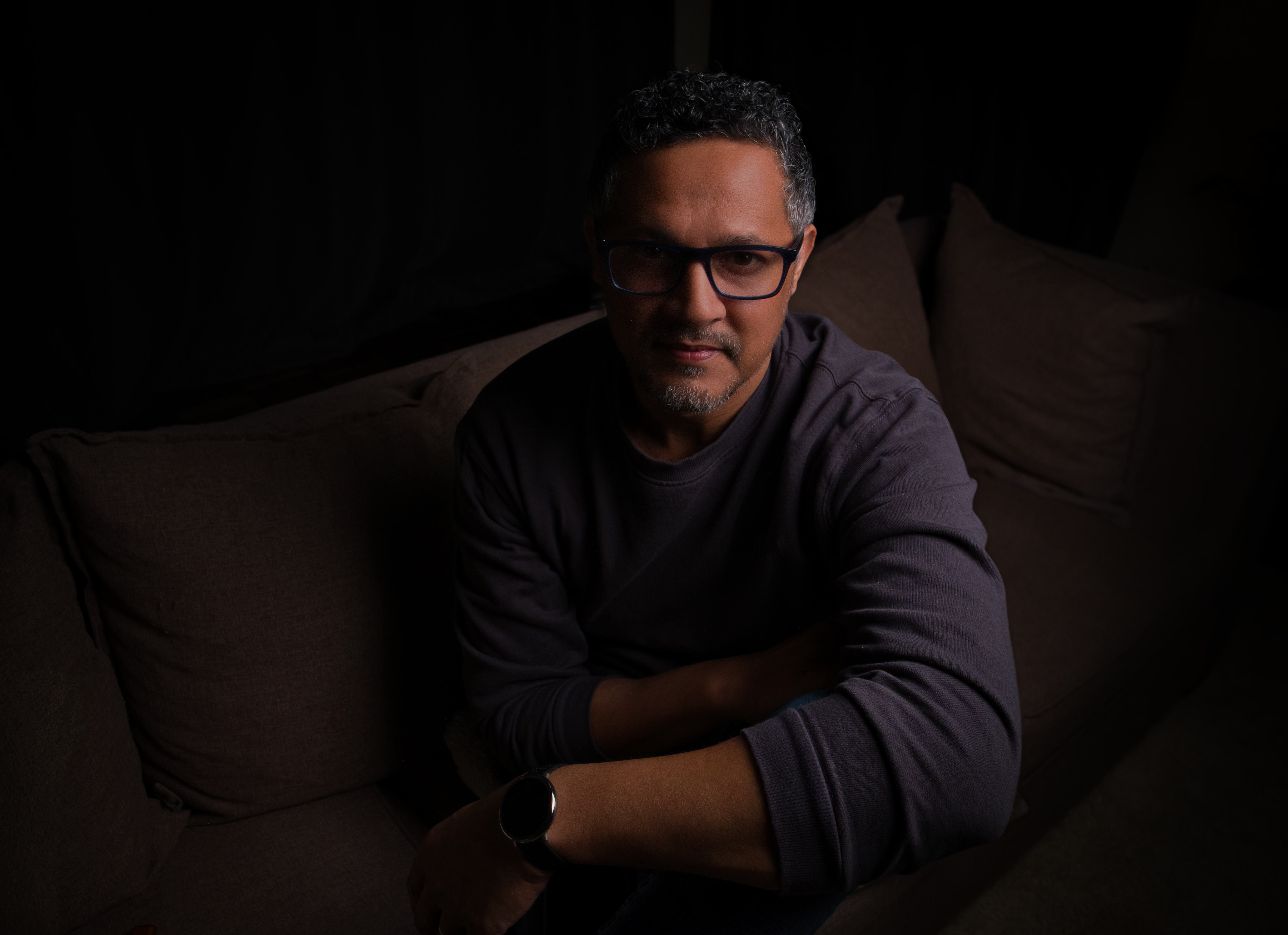
Surour Mohamed
Hi Surour! Tell us about yourself and how you got into videography.
I started way back in the early 2000s, capturing videos at various car events with a video camera. Two years in, the camera got stolen, and I didn’t get back into it until late 2019. I started again with random family videos and capturing important family events. This really reignited my lost passion for capturing moving images.
Which Fujifilm cameras do you use most often?
The Fujifilm X-T4 is my most used all-around camera for a number of reasons, including its ability to shoot a variety of codecs and bitrates. It’s also small enough for daily use and can be rigged up for more professional setups. I honestly think the X-T4 stands well among its peers in 2025.

What do you think Fujifilm brings to the table for your type of videography?
For me, right now, I see a long-standing relationship with Fujifilm, especially since the introduction of their more videography aligned cameras. I can only see new video features trickling down to their hybrid bodies or their video-focused bodies like the X-H2s and beyond.
Their older generation bodies were ahead of their time among the competition in terms of spec-to-spec comparisons, and that’s how Fujifilm stood out to me. This still holds true today.
Do you use a rig while shooting? Can you tell us more about your videography setup?
Often when I’m shooting handheld, my rig is very simple, consisting of a body, a SmallRig cage, top handle and monitor, and perhaps a gimbal when the job requires it.
How often do you use Film Simulations while shooting?
The only time I use simulations is when I’m out with the family and playing around. When it’s time to get serious, I often switch between Eterna, F-Log and F-Log2 for maximum dynamic range.
What’s the one thing you learned that most improved your videography?
Understanding light, shadows and composition played a vital role in improving my video work. I also learned that sometimes manual focus in certain situations is better than autofocus. Learning your camera’s aids, like focus peaking, zebras and histograms, are all tools that assist when creating content and improving your skill level.
You also create YouTube review and feature videos over at MoTechZA. Tell us more.
In my spare time, I manage to upload tech-related videos, as well as software and tutorials. My videos are mostly inspired by what has helped me in my field and things that I’m really passionate about.

You recently did a passion project about the Kariega floods in the Nelson Mandela Bay area. What inspired you to do this?
What inspired me most was seeing the raw resilience of the people in my own community. The floods in Kariega weren’t just about water and damage, they revealed powerful human moments. Neighbours helping each other, families rebuilding with what little they had left and everyday heroes stepping up without asking for recognition.
As a storyteller and visual creative, I felt a responsibility to document not just the devastation, but also the hope, unity and strength that emerged from it. I wanted to give a voice to those who were affected, many of whom aren’t often heard. This project became more than just a video, it became a reminder of how deeply connected we are, especially when times get tough.

Is there a bucket list videography project you would love to work on?
One bucket list video I’d love to create would be documenting something adventurous or out in nature. Whether it’s a multi-day hike through remote landscapes, kayaking in untouched waters or capturing wildlife in their natural habitat.
I’m especially drawn to authentic, raw moments, so filming people in their natural element, doing what they love in wild or culturally rich environments, really excites me. I want to tell stories that are grounded, real and visually connected to the world around us.
Find more of Surour’s work here:
Facebook: Snap Media Productions
YouTube: MoTechZA, Snap Media Films